
Navigating the Journey of Death: The Role of Doulas with Diane Murdock
Breaking the Silence: Conversations on Death and Dying
In this conversation, Diane Murdock and Robin Strongin discuss the role of death doulas, their importance in modern healthcare, and the need for open conversations about death and dying. The discussion highlights the evolution of the death doula profession, the societal taboos surrounding death, and the personal reflections of both speakers on their experiences with dying. They emphasize the significance of dialogue, humor, and music in the dying process, and the importance of personalizing one’s end-of-life wishes.
Takeaways
- A death doula is a guide and companion for those facing death.
- The role of death doulas has gained recognition in modern healthcare.
- Conversations about death are often taboo but necessary.
- Personal reflections on death can lead to deeper connections.
- Writing your own obituary can be a meaningful exercise.
- Music plays a significant role in the dying process.
- Humor can help ease the conversation around death.
- Death doulas help individuals express their end-of-life wishes.
- The healthcare system is evolving to include death doulas.
- Open dialogues about dying can bring peace and clarity.
Chapters
00:00 Introduction to Death Doulas
02:00 Understanding the Role of a Death Doula
05:35 The Rise of Death Doulas in Modern Healthcare
08:41 Breaking the Taboo: Conversations About Death
13:14 Personal Reflections on Death and Dying
18:51 The Importance of Dialogue About Dying
20:37 The Role of Humor and Storytelling in Dying
22:17 Music and Its Impact on the Dying Process
Diane Murdock
Good morning. Today I'm here with a very dear friend and colleague, Diane Murdoch, who among many things has just inspired me so. Your background in health policy, your creativity as a visual and other type of artistry, your just kindness and empathy has been incredible to
not just witness, be in your life, And it was no surprise when I learned that you were interested in learning more about the whole area of death, dying, and in particular, what we're going to be talking about today are death doulas. Not only what they are and what they do, but what it is about and this whole issue of death and dying, at least in America.
as you and I have discussed before, is very textured. It's frightening to people. It's beautiful to other people. It's confusing. There's just so many layers to get into. And you've spent so much time studying, actually being at the bedside of many people. And I thought, you know, within the context of what we're trying to do with Health Dame,
being able to talk about topics that people don't always want to talk about, and yet when they have the opportunity to learn a little bit and not be afraid, it's very reassuring. And I can think of no one better to help us kind of walk through some of the highlights here is you. So I'm very honored that you have the time to talk with us today. So with that, I know you're going to...
weave in as we go a little bit about your background, but what, when we hear the words death doula, what should we know? Tell us what we need to know. Take it away, Diane.
Speaker 1 (02:11.886)
Well, thank you for that introduction. It's a wee bit overwhelming for me, but thank you so much. All the same. A death doula. I want to back up because like first we have to say, what is a doula? And I think it comes out of ancient Greece and that was when they looked to non-medical people.
to be there for someone who's dealing with some sort of health care experience and to be there from the beginning to the end of that. And so let's talk about, everybody's probably more familiar with birth doula. And that is where somebody is there for the before the birth, during the birth and after the birth, whether there's complications or not, it's just to be there.
and is a companion and is a guide through that whole process. so then death doulas have come about and this is end of life doulas is another term. It's helping you and your loved ones as you go through and when time grows short. to me, there's a lot of terms that are around what death doula, because some people feel uncomfortable even with the word itself.
death. You're a guide, you're a companion, some people call it and the light manager, you're a listener, you're a coach, you can be
Is there special training for this? Like how do you become this guide for people?
Speaker 1 (03:59.07)
There is training and there is, you can become certified now and we can talk about that. I just wanted to end on one thing as far as the doula goes because I feel like I love, somebody mentioned it's like being a seamstress and you're threading together the person who's dying with their wishes and with their needs.
and with their loved ones. And so it's making this tapestry I look at for when you're approaching and letting go. And there's a subtlety that I wanted to mention, or maybe it's not a subtlety, but I think it's worthwhile mentioning that I feel that people say, God, you have a relationship with dying and death. And I don't even know if that's as relevant as the fact that we there
that you have a rapport with life. I love that. The rapport with life is that because you're living till you die. And so I think the person who is there as a death duel is bringing your life together with you. That's how I would look at it.
And if somebody is interested in wanting to work or be present with a death doula, is it the person that reaches out? Is it the family? What are the mechanics of how does that work? I imagine it differs.
Speaker 1 (05:37.858)
Well, maybe we can talk about how did all the death doula come about? I think that it's a term more more people are hearing. They're not always familiar with it. And I don't think it was a term that was around even like 10 years ago as much as it is now. And so I feel that it's filling a niche that is very important right now. And that is because
Please, absolutely.
Speaker 1 (06:06.37)
for lots of reasons that the medical field is changed phenomenally. The medical terrain of dying is much reflective of medical advancements as anything else. Many treatments and many procedures and choices to be made. And so even though I look at medicine as still an art, I feel like it's going heavily based into technology and the sciences.
I feel also what happened is why we have more death doulas or it's being talked about more is that there's this legalese that comes from this more complicated medical terrain. And that is all these documents from HIPAA documents, which is freedom to give information to whomever you choose. It is informed consent. It is
patient rights, that was not there before. And then also for dying, need to have an advanced directive. Some people call it a living will. You're picking someone, a proxy, a healthcare proxy. It's very complicated. It's person, you're picking someone to speak for you when you cannot. And so what happens is then all these caring people are out there who are hospice, work with hospice that are social workers.
complicated.
Speaker 1 (07:30.36)
that are our ends, that these people are there and they go, I want to do more for the, in the field that I'm with to help people. And so they're gravitating wanting to feel the niche. And then I feel then the system is such, the healthcare system says, we see there should be programs to train people to be present the way they should be and can be to fit into this whole fabric of the healthcare system. Cause you're
you're mingling with all of the professionals. You're not then you're non-medical, but you're mingling with lots of clinicians. And so there you have it. That's why now I think people are getting certified. They're getting licensed and then they're having to go out and solicit whether they contract with somebody. It's a contractual agreement and then insurance companies may be coming in.
Wow, I didn't realize it was that that far. That's interesting. Okay. Okay. But so there's this rise in the number of and the awareness and the complication of dying. So therefore there really is there's always been a need for somebody to be sitting with someone as they move through the process of dying. How much speak a little bit about
what you're seeing in terms of the taboo. It's been very hard. talked before in passing about just death and dying. I find more people are open to talking about it. There is a growing literature. I think since the hospice movement has come to the United States, that opened up some conversations around death and dying. mean, it's still hard to find people who get excited about talking about it.
who, you know, it's a very mixed emotions, but there's also, I mean, beauty isn't quite the right word, though there can be some beauty in coming to closure and certain reflections. And I think knowing you, I'm sure that's a big part of your practice, if you will, when you're with someone.
Speaker 2 (09:54.732)
What is going on with the, is there still a taboo? What are you seeing? Or is it changing?
You know, it's, let's back up. Let's go back to the 1400s because it was called Ars Mori and Die. It was in the Latin text. That means the art of dying. it was Ars Mori and Die. It's a beautiful word. And somehow we've lost.
What does that mean?
Speaker 1 (10:26.062)
how to die well, this is what it was. And I think over time, if you reflect on the medical terrain of dying and its complexities at this point, that it lends itself to become, I don't want to talk about it. And I've had people who come up to me going, oh, I don't want to talk about it. It scares me to death. And I tell them, well, you don't need to worry about it. You're not going to die. I think people should
Grace talking about it, you know, we only grow old once we only age once we only die once in this lifetime that we're aware of. And I think it's by talking about it, you're freeing yourself to know that your wishes are honored and given the dignity and respect you want when your when time goes short and you're freeing other people. guess at what you want.
So that, you know, several years ago, and I think you did one as well, I was asked to conduct a conversation. It was something called Death Over Dinner. I think you've done it as well. And I met a dear friend, a physician, and we've stayed in touch. And in any event, it's such an interesting experience. In my case, I don't know how it was for you, but...
and we were randomly put together you know this is through a conference it was an organized thing different restaurants around dc they'd be specifically put random people together and then one person had a list of questions to open up talking about death and dying in a very non-judgmental what whatever your belief system was everything was honored it was just a chance to
talk about it without fear. And it was interesting because in my group, we had several physicians. had several, you talked about medical advances and there were a lot of people who were in the innovation and technology space. And then we had people who were patients, advocates, not necessarily medical professionals. And it was one of the most fascinating
Speaker 2 (12:45.358)
discussions and this friend, know, Dr. Hassan Teta and I have become, as a result of that are still friends and colleagues, very, you know, really strong bonds. When you talk about these kinds of issues, you start to develop really special friendships because it is a pretty powerful topic. How do we get more people to start doing this? Do you think?
I think there's, well, you have to go looking. It's right out there. I think that there's what you mentioned, the death over dinners, and it's just getting friends and family together and filling up a table. And that you're encouraging people to open up about what's important. And it's probably one of the most costly conversations America isn't having.
interesting.
There's the conversation project. There's all sorts of sites. There's Engage with Grace. I printed this. I don't know if people can see it, but it's just five little simple questions.
I think that was Alex Drain, right, Alexander Dillon?
Speaker 1 (13:52.844)
Alexander Drain.
She's just a wonderful friend and I mean what she's done was really to help break the ice in this area as well and really important. think she recommends doing it around Thanksgiving. So thank you for bringing this up because the time's right around the corner and it is a, that is a really good time. You have friends and family together during Thanksgiving. People fight over who gets to cut the turkey if I'm remembering the movie correctly. But in any event, know, what?
What do you think it was that Diane drew you to this? Because you've been interested in it, you've studied it, literally, taken classes, you've done writing, you wrote a book. What is it do you think that draws you to this very reflective space, if you will?
Well, I pondered that as well. To ponder it, I think sometimes we just find ourselves doing something that we can't really explain why, but that we know it feels right. I did get certified myself as a death doula. I think it was in 2022 through the medical school at University of Vermont.
And I bet.
Speaker 1 (15:14.626)
But I feel like I only did that. I was already doing what doulas do for more than half my life. And it was just being present with the people I love that we are, that why wouldn't I want to be with somebody who is suffering and is in pain so that then we can hold each other and get through that and then share the joy. How else could I not be there for this? Because it's so calming.
If you lend yourself to being contemplative and going quiet.
People say that for some people that's terrifying to do and they don't want, you know, so I think people hearing your experience is so important because it can, when you don't know something, you think it's one thing, but when you experience being with someone, it can be a completely different experience. And I know, you know, I myself have been with people who have passed.
all different ages, all different reasons, not a lot, but several times. And there is, I mean, other than the birth of a child, it's equally powerful and really quite, for me, it felt like a privilege to be with somebody when they, because it is such an intimate moment. is such a, just, it's hard to put it.
really into words, although you've done a really nice job. You've written about this. You have a book about this, right?
Speaker 1 (16:50.126)
Yeah, the book, well, as far as more and I, it was called the new art of dying, and how to personalize decisions to make it your own death the way you would perceive it to be true to yourself. I it started as a catharsis. I lost my mother to cancer when I was in my early 30s. And she was not six, not 65. Right. And it
started as a catharsis, but I think because I have a degree, an undergrad degree in medical sociology, the book became kind of sociological combination of the medical terrain of the dying. So it goes through all these things about medical decision, legal decisions. What is a palliative? How did they come about? What is a hospitalist? It was like, who are all helping people understand who are all these people?
that are there caring for you and why is it so overwhelming? I will go back though, I feel when I'm with somebody, I'm not there to fix anything and I'm certainly not there to talk. It is more about going quiet and letting the person lead.
And I think that you must have been reading my mind because not everybody can speak towards the end of life literally. And there's something very powerful of being together with someone and a way of communicating without words necessarily. Is that right? I mean, that's been my experience. I assume that's not uncommon.
the perfect way to say it. think that a lot happens without any words. And I know people get really awkward with that. You know, when you're a doula, you're not wearing that hat, you're going in there, you left your it's not about you, you left yourself out of the room. You're there just with an open heart. You're there to to listen, letting the person speak.
Speaker 1 (18:57.55)
There is this wonderful term, Buddhist concept that is part embedded into the death doula training is called turning toward and you're turning toward another person's experience. And so you are there in this vulnerable space and being reflective with them and reflecting on the nature of suffering. And then by going through that, you kind of
push aside all this chaos and complexity and you're able to then embrace what joys there were in the life you lived.
Absolutely. And I do think, I've seen it myself, people who are dying just absolutely know you're there. And knowing that someone is there, you don't have to say a single word, you don't have to make a single sound, you could play music, don't have, you know, whatever it is, you just sense it. And I know one of the other beautiful ways that when you would visit with Brian before he passed was
You were so generous in bringing beautiful Belle, your dog, and having the dog with people brought a joy and a comfort. And again, no need to say a word, just having that beautiful dog. I mean, there's so many ways to help someone as they're passing, make it better for them, just calm. it's just, it's a wonderful thing to witness. So let me ask you,
What have we not talked about that you want to make sure people hearing us having this conversation understand or walk away knowing about doulas and the role they play and just a couple of things they should be thinking about or would be helpful for them to consider when it comes to death and dying and a peaceful passing, let's call it.
Speaker 1 (21:03.914)
I think just that one should start having a dialogue about dying sooner than later because with the dialogue and expressing your wishes that the documents that you should have are really important to you because they're embracing and expressing what your wishes are and that those documents shouldn't be stagnant, that they're organic, that they change when you change. I think that's really, really important.
So in other words, don't do them once, put it away and say, I'm done. Right. Yeah, you have to keep.
I you may think they go into safety deposit box. You can put your will in there, but not your living will, not your advanced directive. You need to have people know what you want when you cannot speak for yourself. And that it's something, it's an ongoing dialogue. That's all I can emphasize to you. Another thing that's kind of, I mean, there's a lot of humor in being a death duelist. I think I wanted to bring that up because
you're talking about their life and being able to see the charm of your life and the highlights and the laughter of it. And because you're letting go of so much. So sometimes I'll sit with people and they'll tell stories and I help them write that story so that that's then shared with their loved ones.
Speaker 2 (22:30.094)
best terms
That's a story, but obits, yes, I helped. That's a great thing because I did. I helped my cousin write his obit. And it was one of the things we learned as a doula. You had to write your own obit. I ended up loving it. It's not about that you went to this high school and you were this head of this or that the other. It's about expressing what you want to express about.
my God.
Speaker 1 (23:00.866)
who you are and who you've been your whole life. And so I thought I'd read one little excerpt. He asked him, because I loved it. So I said, so talking with Jim was like sitting in a rowboat with no oars out in the middle of a quiet pond bobbing up and down, floating aimlessly. He was not one to be told what to do and not one to be rushed. Some would call him contentious, a curmudgeon simply said he was someone who enjoyed his solitude.
Yes
Speaker 1 (23:30.176)
A bibliophile, especially of spy novels of which he collected the equivalent of several library stacks. my God. And this is the end, a rare character, a real hoot, sweet generous to his core. He is imprinted in our hearts. He will be missed. problem. So that's the kind of thing. And so again, it just helps a person reflect about, who have I been? Who have I touched? How have I been present in this life?
That's beautiful.
Speaker 1 (23:59.714)
And so it ends up being, I guess, this special treasure time. I think that when you go into sitting at somebody's bedside, you're looking to get nothing out of it, but then you're getting everything out of it. So that's how I'll say it. I don't know how else to.
Yeah.
Wow. So I do think I'm going to write my own obituary this weekend. I actually love that idea. I really do. think it gives you a chance to think about
who you are and who you if you still have time who you still would like to become if if or stay the course you know but it gives you that chance to really think about literally your legacy and what better way to try to write your own you know that
No one's exhausted from having to figure out what to say about you. You've got yourself, which is wonderful. Another thing that is I feel like is invaluable is music. think music should be resonating in your heart and in your soul and in your ears. It's not irritating at all. think that you should always be surrounded by music. And it's even still most especially as you're there towards the end.
Speaker 1 (25:20.18)
And I can only give examples. I was with my uncle, Bruce, and he loved opera. Saturday, the Metropolitan Opera was broadcasting. It turned out to be Romeo and Juliet. So that's what we listened to that afternoon. He passed away that night. How could I not treasure that? Right. With my another cousin, Laura, I was with her. She was always going to
concerts where concertos of Mozart were played. So that's what we listened to, ad nauseum. It never gets tiring. And then a very special memory is that my dad loved big band music, Glenn Miller. And so at the, towards the end or at the end, the Lennon sisters were playing Bugle Boy blues. That's when he passed away, which was really
special because he was this decorated World War II hero and I feel like he said this. Anyway, it's it's yes music is invaluable.
This is it.
Speaker 2 (26:33.684)
It really is. And actually, hearing from what I've read is the last sense to go and people can hear literally up until the end. and of course, you know, music and the brain is a big theme through a lot of the work that I do. And there's no question that music is incredibly powerful and meaningful, both for the person who's sitting with someone and for the person who's passing. And
I guess that's our perfect segue to my last question for you, which is the one I ask everyone I speak with is, you know, I'm putting together the health game playlist. So what piece of music can I say in honor of you, we will add to the list? What is your song, my dear?
Well, to tie back into being open and thinking about not just your death, but dying and what kind of ceremony rituals my husband and I put together for our own list for what we call tunes to die for. his is all rock and roll.
I would expect nothing less.
Speaker 1 (27:50.406)
And mine is more eclectic. And so I looked at my list to come up because I you'd ask me this question. So I think the Penguin Cafe Orchestra. huh. And it's called perpetual motion, I think it is. And there's also something, rubber band. I wrote it down because the titles are something else. It's
perpetual motion mobile and telephone and rubber band telephone.
And rubber band.
other one is Perpetuum Mobile, Penguin Cafe Orchestra. so both of these orchestrated pieces take you on this splendid journey. That's why I love them. And I'm leaving it up to Health Dames and you yourself to choose which one.
Got that.
Speaker 2 (28:50.216)
There's no rule that says we can't do both. So you get to do first. So there you go. I can't thank you enough, Diane. Thank you so much for sharing your wisdom and really important information. And I think I already have ideas for follow-up conversations with us and other people who are looking to break down some of the barriers to these really.
can be difficult and trying questions. It's emotional, there's no doubt about it, but like you say, better to start now with a clear mind and an open heart and a little bit less emotion and really think about what you would like for you as you go on to your next chapter, so to say.
With that, I hope you have a great day and I really appreciate your time and sharing all of this with us. So thank you and thanks for all that you do in this space. Take care now.
Thank much. it.
Diane Murdock
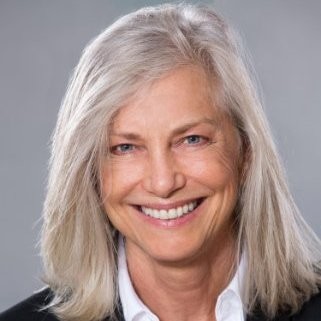
Diane Murdock is a writer, mHealth (mobile health) app co-creator, artist, and death doula, aka Murdock Without Borders. She worked at the Congressional Budget Office and the Prospective Payment Assessment Commission (ProPAC) and consulted for organizations such as the Institute of Medicine and US Government Accountability Office. She received her BA from Tulane University, master’s degree from GWU, and doula certificate from University of Vermont Larner College of Medicine. She lives with her family in DC. She is 75, old to some and young to others.
Diane Murdock on LinkedIn
Favorite Song: Penguin Cafe Orchestra, Perpetuum Mobile and Telephone & Rubberband
Stay in the KNow!
Get our monthly email featuring expert interviews from the healthcare industry with real insights, no fluff. Get the latest information that help you better understand your healthcare options.
Thank you for subscribing! We're excited to have you here.
You’re all set and will receive our monthly email with expert conversations and insights from leaders in healthcare.