
Navigating the Challenges of Severe Depression
Breaking the Silence on Mental Health
This conversation between Nora Super, Dr. Len Nichols and Robin Strongin delves into the complexities of mental health, focusing on personal experiences with severe depression, the role of family in care (especially post psychiatric hospital discharge for suicidal patients), the stigma surrounding treatments like ECT, and the challenges of employment discrimination.
Nora Super and Dr. Nichols emphasize the need for better policies, community support, and a more inclusive approach to mental health care, highlighting the importance of understanding and addressing the needs of both individuals and their families.
Both Nora and Len stress there is HOPE, there are models of care that work, and their message that people are not alone. Together, they are writing a book that encapsulates all that they, and their family, and friends have been through. All with the goal of helping others
TAKEAWAYS
- Mental health is a global challenge that affects individuals and families.
- Living with severe depression can be a very lonely experience.
- Depression is a disease that requires long-term treatment and support.
- Families need to be included in the mental health care process.
- There is a significant stigma surrounding treatments like ECT.
- Employment discrimination against those with mental health issues is prevalent.
- Access to mental health care is often limited by insurance issues.
- Community support can provide essential help for families dealing with mental illness.
- Policy changes are needed to improve mental health care access and quality.
- Awareness and open discussions about mental health can help reduce stigma.
Content Warning: This post discusses suicide and depression. Dial 988 for the Suicide & Crisis Lifeline available 24/7.
Chapters
00:00 Introduction to Mental Health Challenges
03:03 Personal Experiences with Severe Depression
05:29 The Role of Family in Mental Health Care
08:16 Discharge Processes and Family Involvement
11:03 Understanding ECT and Its Stigma
16:39 Employment Discrimination and Mental Health
21:17 Access to Mental Health Care and Insurance Issues
27:38 The Importance of Community Support
32:30 Policy Suggestions for Mental Health Improvement
37:22 Conclusion and Hopeful Perspectives
Super and Nichols
Okay, so good morning everybody. I'm Robin Strong and with Health Dame and today we're going to be talking about a topic that really requires I would say more than one conversation. We're going to be talking about mental health, which as everyone knows is a global challenge. It's national in scope and it's also deeply personal for an individual who is affected.
by different mental illnesses and mental health illnesses and the people who love them. And today I'm really pleased to welcome my friend and colleague, Nora Super. And Nora, I have to say, I may slip and say Norma because I just got off the phone with a friend named Norma for about an hour. And I really hope I don't, know, Nora, Norma, so I may, you know, twist up. But Nora Super and her husband, Dr. Lynn Nichols.
And they've agreed to share their experiences of what it's like to live with recurring severe depression and what it's like to live with someone experiencing this condition. Both of you guys have selflessly shared your experiences in a number of forums, including articles, which I will post when we post the conversation. You've also written about and shared your analyses on policy improvements, economic ramifications,
and the devastating impacts of employment discrimination and stigma. And it really is my honor to be having this conversation with you guys today. So you guys have been at this work and other work, I'm going to talk a little about your aging, work in aging, not your aging experience per se, we all do that. But, you know, it's a high level. And again, I'll
Speaker 2 (01:48.81)
I'll write the bios on the links, so we won't be spending a lot of time doing that. But at a high level, Len, I believe that you are Professor Emeritus at the College of Health and Human Services at George Mason University, as well as serving as a non-resident fellow at the Urban Institute's Health Policy Center, which is a think tank here in Washington, DC.
And Nora, as I said before, you are a national expert on aging issues, aging policy, dementia, long-term care, retirement policy. And back in 2014, President Obama appointed you as executive director at the White House Conference on Aging, which I imagine was an amazing experience. And I'd love to hear about that at some point. A lot of work.
But you've also been in the department in leadership roles of Health and Human Services, AARP, Kaiser Permanente, and US Aging. So you've been extremely busy, but actually I think my favorite gig for you was when we got to work together for the legendary Judy Miller Jones at George Washington University's National Health Policy. And apropos to today's conversation, you guys are working together on a book that you're writing about these experiences. When about?
Do you think that will see the light of day or is that at the very beginning?
We've written a lot of it, so we're hoping to be able to get it out within. Well, I guess we're almost into 2026 now. So sometime in 2026.
Speaker 2 (03:29.358)
Okay, all right. So not too far away, we're close. That's exciting. So I think to kick things off, I think it would be helpful, Nora, for you to kick off what you want to share about what it's been like for you to live with severe depression over the years. And as I said before, I'm likely to interrupt, but go for it. And then I have a bunch of questions for Len as well. So, but why don't you kick us off?
Sure, thanks Robin and thanks for having us today. This is an issue that's really important to us and our family and has impacted us greatly. But our hope is really in talking about our experiences that we can help others that are experiencing mental illnesses as well as family members who love people experiencing mental illnesses. It can be a very lonely experience. And so I think learning, as you know, similar to living with someone with living with dementia.
And I think that, you know, our hope is to really help people understand that they're not alone and that there are many people experiencing this and that we have to work together to really try to improve the system. I first became severely depressed over 20 years ago. So it's been a long journey that we've been going through. My initial
major depression was really triggered by Hurricane Katrina. Now, as you know, we live in New Orleans now, but back 20 years ago, we lived in the Washington DC area and really the two of us spent over 30 years there. But back at that time, and my husband Len is much better at dates than I am, but it was 2000 something.
2005 was Katrina, but your depression really kicked in around Christmas.
Speaker 1 (05:25.326)
Okay, so 2005, when after Hurricane Katrina, and I just saw all the devastation in New Orleans, it really triggered and to me a deep depression. And we traveled to New Orleans, after Katrina to deliver a car to someone in need as well as many presents for kids who have been impacted by the storm. But I started to feel my depression at that time, my mind just starts spiraling.
where I can't focus on anything, I can't stop talking about something that I'm worried about and became more more depressed to the point where I finally became suicidal. And unfortunately, my depression is characterized by becoming suicidal. And I really have learned a lot about it. I will say, Robin, I...
I didn't talk publicly about my depression until many years later after I experienced my first depression and several hospitalizations and suicide attempts over the years. But what really made me want to speak publicly about it was the deaths by suicide of both Kate Spade and Anthony Bourdain. And I think
We're done.
what happened after was I heard people talking about depression and saying, how can people who are so successful be depressed? You know, they had so much going for them and how could they do this to their families? And this is just such a terrible thing. And, and I thought, you know, these people talking about it really don't understand depression. So when you're caught up in a cycle of depression, you believe people will really be better off without you.
Speaker 1 (07:13.782)
Your mind is distorted and is telling you things that aren't true, but it's really that you're a burden to your family, that they would all be better off without you. And it tricks you into thinking these things that aren't true. it's really a disease. It really is. And it's an illness that impacts your mind. And you can't think straight anymore. It's not like someone can just say, snap out of it, like, share, you know.
but more that you really need long treatment and help along the way. So that has been our experience, several hospitalizations, several suicide attempts throughout the way. And my husband has been by my side all along the way, which I'm really grateful for.
So Len, what is it like from your perspective, I mean, dealing with the hospitalizations and so on, what have you learned from that that you would like to see perhaps change so it can move the needle to where we're not nowhere near where we need to be in terms of access and care and policy, but from your perspective, what can you share with us?
Well, thank you Robin. You know, I would say the single most important thing is that families need to be taken into account more in a transition to and out of a hospital. We've had a number of experiences over these years and I would say the most recent one where Nora had a spinal cord injury and so she was in a rehab hospital for over a month.
The difference in the way the rehab staff prepare family for going home compared to psychiatric staff preparing family is just stunning. The last three days of a rehab stay, they just work with the family member. This is how you transfer people to a bed. This is how you transfer people to a chair. This is how you do everything that's got to be done on a daily basis. And you don't leave until you know how to do it. Okay? And in New Orleans,
Speaker 2 (09:03.658)
see.
Speaker 3 (09:26.542)
how to back downstairs with no elevator just in case the hurricane comes, right? I they teach you everything. Well, for a psychiatric inpatient stay at a hospital, typically there's no conversation with the family. If there is, it's something like, well, do you know a psychiatrist? Can you make an appointment within seven days? Okay, goodbye. They never tell you the fact, which is that the average patient
is more likely to attempt and succeed at suicide right after discharge than the general population by an order of magnitude. So you don't know how dangerous your loved one is. Typically a family member isn't told anything about that risk. And so you don't know, you know, when a hospital discharges somebody with a broken leg, you think their leg is set, their hospital discharge from pneumonia, they're cured. They're not cured for depression. Depression doesn't go away that fast.
And I'll just say very quickly, there are lot of tremendous, wonderful health professionals in the mental health field and you know, God bless them all. But the legal restrictions on how they behave and what they can tell you and all that stuff is just.
Is that what the issue is? It's a legal restriction that
I think they're afraid of liability and so they don't want to act like the patients as dangerous as they are when they're discharging them. And it all gets balled up in this issue of it's a very complex thing to decide when someone's a danger to themselves or others. All I'm trying to say Robin is my first point. The family needs to be part of a discharge conversation. Is she ready to go home? OK, if she's ready to go home, what do I need to be able to do to take care of her?
Speaker 3 (11:12.386)
And what I'm saying is compared to what we got in the rehab hospital, it is stunning how little preparation there is for families bringing home someone who is still a danger to herself.
actually remember writing something after my first experience, believe it or not, when the very first Apple iPhone came out. There was this line wrapped around in the shopping mall. That was in the days we went to shopping malls. And the staff came out and offered bottles of water, because people had been standing awhile, right? You went in when it was your turn.
You sat down with one of the Apple, you know, from the genius bar types, right? They took the phone out. They went over and over. They didn't let you leave till they were sure you knew how to work it because no one had an Apple phone before. And you were instructed, you were given easy to understand directions. It was boxed back up and you went on your way with your phone, which you understood how to use your water so you wouldn't get dehydrated and so on.
I went home was very excited that evening. My son took a terrible fall and we ended up in the emergency room. We ended up in the emergency room where the only water available was a public fountain where there was vomit in it. Okay. There was up gum. There was spit out food and there was vomit in it. When we finally went in and you know, we left with some medical equipment and this and that no one explained it. The contrast between
Sure.
Speaker 2 (12:50.186)
my experience in the afternoon and my experience with serious illness and so on was like, this is ridiculous. And I understand all of the financial incentives and all, but it's like, and now, you know, we, okay, so this is definitely an issue. Is there, are there efforts to try to improve? What can we do to try to start to
fix that? Are there policies in place? Is it a state issue? Is it a national thing? It's legal. It's all of these issues.
Yeah, mean, so, so, I mean, one of the things I want to say is that we know people with mental illnesses have really fought some court battles over the years and have been, you know, disenfranchised many times that people have been, you know, put away as she, as you may say for a long time and feel like they have no rights to get out of the hospital. So.
We understand that and don't want to say that these rights aren't important. So it does become legal. Many of the issues there. But, you know, I had experienced once where I was, I discharged myself. I, you know, didn't want to stay in the hospital any longer. And so I petitioned that I could get out against medical advice, as they call it. And I had the right to do that. Now I'm also smart enough.
Yeah.
Speaker 1 (14:21.014)
not to say other people aren't, but I understand the healthcare system enough to know what it is the professionals want to hear. So if they ask me, are you suicidal? Do you have any intention of harming yourself? I said no, because I wanted to get out of the hospital, even though all I thought about at the time was how I was going to end my own life. And so I think that there's, and as my husband is saying, what happened was I was discharged before I was ready
And sent home with family member. And basically they told good luck. He had a doctor actually tell him, well, we'll get her into a day program and on Monday this was on a Friday, but all you have to do over the weekend is make sure you watch her like a hawk so that she's still alive by Monday. I mean, can you imagine? And so. So we really think that the family needs to be more involved in the laws are dependent on the state.
They, you know, so the district of Columbia has more rights for individuals living and staying in mental health facilities than say, Virginia does where I spent several hospital stays in Virginia where they were more aware, more sympathetic to the needs of family members.
But as you say, it's still not like a consumer experience and just because it's our health care system, which is messed up. I mean, I think there are so many times that you hear about people all over and all kinds of health care situations where family caregivers are sent home and asked to do really complex things for the people that they're caring for and.
You know, with the billions of dollars that we spend on health care in our system, truly, we have to be able to shift some of our resources so that we're helping family members who are really caring for people once they get discharged.
Speaker 2 (16:23.33)
No, question. Absolutely no question. So that is something that I'm going to come back to in a minute. But what I do want to ask is, I do know that there's been some movement with treatments and things that could be helpful, things that were helpful to you. And I know you've been writing about ECT, electroconvulsive therapy, which has an unfortunate history in terms of
what people may think about it. And it has a long history, but it can be helpful to people. And I know we get wrapped up in stigma and shame and all of these issues in general, but say a little bit about ECT. I know there were some issues here that you wanted to share.
Sure, thank you Robin. Yes, I mean, for me having been in the hospital, was what seven times over a course of five months or something like that. And not a single health professional mentioned ECT as an option to our family. It was a family friend who was a doctor who told us, you you may want to think about this and it does have stigma attached to it. I mean, a lot of it goes back to.
one flew over the cuckoo's nest and Jack Nicholson were and there were abuses in the system. You know, I've had mental health professionals say they used to do it without without any. Anesthetic and and without, you know, just do it while people are laying on beds in the hallways and things. But for us, it really was a godsend and made the huge difference for me and.
And it's the
Speaker 1 (18:09.11)
Each time that I've been severely depressed, really the only way that I've gotten out of it is because of ECT. And it's a short procedure. It only takes like five minutes long. They do have to put you under with general anesthesia. But for me, it's like my brain has been jumpstarted. It's like certain neurons are not connecting until they do this. And then I'm better within like four treatments.
And it's really something we want people to know about as they shouldn't. It took me a long time before I would even admit to anyone that I had ECT because there's stigma against mental illness, most especially around ECT and everyone thinks, oh my God, you have electric stimulation on your brain. And I think, yeah, that's what I needed. I was in such a funk that I couldn't get out of it.
and I needed some sort of electrical stimulation to get me back into a good place. So I don't know, Len, if you want to say anything else about ECT, maybe how often it's used.
Don't say Robin, you know, for this book, we've done some research and we discovered a couple of what appear to be facts. No, number one, about 26 million people a year in the United States have a major depressive episode. Or as we can tell about a hundred thousand get ECT. Now I'm in no way arguing ECT should be for everyone. But I will notice.
ECT is twice as effective as a percentage of success as the typical pharmaceutical. And yet pharmaceuticals are prescribed without thinking about it, really, because it's an easy thing to do. And they are effective. Let me be clear. They are effective for some people. But when you're in this deep funk like Nora gets in, there's nothing that's going to work except ECT. So I think that, and we learned from conversations we've had with psychiatrists,
Speaker 3 (20:12.226)
that within the psychiatry profession, there's kind of a stigma, partly because some psychiatrists just don't do it, and partly because they know the patients are afraid of it, and so they don't wanna mention it to scare the patient. There's this whole notion of treatment-resistant depression, and that's really where Nora and a number of her colleagues are, and for them, ECT is a godsend. And so our fundamental message is, A, we should talk about this more often.
Sure. The fact that she was hospitalized five times and no one ever mentioned it except our friend. a spot. Well, thank God for her. Yeah. And by the way, the article she gave us was from the Atlantic, which had this wonderful history of it. And then when we finally get to a psychiatrist in DC who will do it in 2006, he gives us the same article from the Atlantic because it's perfect at calming you down about what's possible. anyway, we were.
Cool.
Speaker 2 (21:04.652)
Are you able to receive the treatment outpatient or do you have to be?
I am now you don't have to be in the hospital ice and I still have it now as as when alluded to as we were talking my last suicide attempt unfortunately ended up leaving me with a spinal cord injury and so I'm paralyzed from the waist down now and as a result of being so severely depressed that I attempted suicide.
Again, my psychiatrists have recommended that I use ECT on a maintenance basis. So I go every two months now and receive ECT and it's an inpatient procedure. I mean, outpatient procedure, excuse me. You know, I have had comparisons to other procedures where it is sort of, you know, we go in very early in the morning and they do it sort of in an area of the hospital that isn't
use that often and all these things there's still there's stigma in the hospitals and I think part of it is it's not reimbursed really. Yeah and and so I think that's part of the reason why they have to do it while they're sort of not in the way but it's also because it's a mental health issue I think it's just not treated the same way our physical conditions are treated in our hospitals.
was going to ask about that.
Speaker 2 (22:26.338)
It's just breaking through this stigma on these issues that I'm determined to do. It just makes me crazy. So many people need so much help and we know some of what we need to do. We certainly need to be doing a lot more when it comes to understanding just the physical disease and how we might make better inroads in terms of cure and treatment.
But my God, I mean, the stupid stuff we can work on in this time. I'm gonna circle back to that too, because the other issue I wanted to talk with you about, and it's related to this, is employment. mean, so many employee applications require certain questions, certain jobs, et cetera, et cetera. And I know you've experienced some of this as well. Do you feel comfortable sharing some of that?
Sure, I'd love to share that. You know, as you noted, I've had a successful career. I'm very proud of what I've done over the years. But I was doing all this while I was struggling with recurrent depression. And for many, many years, I didn't disclose to my employer that I had depression. I was too afraid that it would impact whether or not I got promoted or hired for a job.
All these jobs are in healthcare, mind you. So of all the places where you'd think, there would be some recognition, yeah.
Yeah, you would, but I was afraid and it wasn't an unjustified fear. You know, things happen and you know what? One thing that when I applied for the White House job, you have to go through, you know, high security clearance to be able to work in the White House and in the questionnaire that they have. And mind you, this is this is done by the FBI, so you can't lie about anything they're going to find out. And.
Speaker 1 (24:21.006)
1 of the questions asked if I have been hospitalized for a mental health issue over the past 7 years. And fortunately for me, it had been longer than 7 years. I've had times in my history where I've been very stable for a long time. Unfortunately, this was 1 of those times if I hadn't been. That I would have had to disclose that I have been hospitalized.
and probably wouldn't have been able to get the job. I have a friend who has bipolar disorder who had applied for a job in the White House and she really thinks the fact that she disclosed her bipolar disorder is a reason why she didn't get the job. I have friends who have depression and have high security clearance and who don't even take antidepressants because they're afraid that they're
security clearance will be revoked. Now, I don't think it'll be revoked because you take antidepressants today. It's much more common for people. But, you know, we were just watching, you know, in the wake of Robert Redford dying, we've been watching a lot of his movies and we watched all the president's men the other day and they had the Eagleton story about the vice presidential candidate running with Montgomery.
McGovern who had to step down because it was disclosed that he had ECT. So, you know, it has been in our national spotlight as something of like we think something's wrong with you if you have mental health care in our country. And it's really sort of having this independent spirit of, well, people should just buck up and handle it or.
Be happy for what they've got and as I described in the beginning of us talking, it's a real illness. It's not something that you can just say, okay, I just need to feel better tomorrow. I mean, it really takes over your whole brain and you can't function. I mean, in my case, I can't work when I'm severely depressed. My mind is too messed up where I can't focus on things and I can't get things done.
Speaker 1 (26:29.378)
Now, over the course of the years, I've been able to disclose to my employers that I suffer from depression sometimes and I've had to take time out. as I felt more comfortable with it, they felt more comfortable with me too, because generally I know how to manage my episodes, whereas I said, ECT has been a real godsend. So I can tell my employers, look, I need to take some time off. I need to get this treatment.
And once I get this treatment, I'll feel better. You know, sometimes that made me rush too much to try to get well to prove that I was well. But I think in the in the for the most part, as long as I was more open with my employer and because I had already now I have to stress it was because I had already proven myself as a successful employee who worked really hard. Then I had that that measure of trust with my employer where I could
share the information and know that they would trust that I'm gonna get better. But a lot of people don't get that opportunity because they don't have access to the treatments that will get them better. Another thing that I'd like to talk about, Robin, and I don't wanna hijack, but I think one thing we didn't mention when we spoke earlier was just the fact that so many insurers don't take health insurance, so many.
medical professionals, psychiatrists and social workers and psychologists don't take any kind of health insurance now. And there are a lot of reasons for this, but the end result is it makes mental health care something that's just available to the affluent now. Really, if you don't have insurance, mean, Medicaid will cover it and behavioral health, think is one of the, you know, biggest forms of treatment that Medicaid does provide.
but in between Medicaid and regular insurance, most people can't, the health professionals don't even take insurance. And so you're left with having to pay out of pocket for what can be very expensive treatment, $200 an hour to see a therapist. And if you're seeing them more than once a month, the cost can really be, yeah, it adds up very quickly.
Speaker 1 (28:52.782)
And through our research, we really found that the reasons why, you know, health professionals don't take insurance is frankly, because they don't have to, you know, insurance, as I'm sure you've discussed on other programs or should in the future is just really frustrating for providers. You know, there are a lot of.
hoops that I have to jump through, they have to deal with prior authorization. They feel like they're having to prove themselves and they're worth for the insurance to get things covered that they know or need to be covered for their patients. in the case of mental health in particular, it's typically been discriminated against by insurers. In the past, they really didn't cover a lot of mental health. And so the mental health professionals, because there's such demand now and they're
too few mental health professionals, they found that they can charge out of pocket and people will pay for it and they don't have to deal with insurance.
lot of people without any kind of ability to access the care just on affordability. you know, related to the affordability question is someone who's helping care for the person who's undergoing treatment. I imagine that creates quite a chance. mean, I know personally with when Brian was sick and I was a full time
caregiver for him, that means you can't work the same way. And so you're not bringing in the income. And I imagine is that part of what you guys are addressing in the book is sort of the whole, you know, the dyad of the two of you together and what that looks like. I mean, that's there's a lot of complexity there. And it's kind of a bit of a spiral financially, emotionally, everything changes, right? mean, when you're living this.
Speaker 3 (30:45.376)
No question Robin and what I would say is and we think about this and talk about this together a lot. Sure. We are among the lucky. Sure. Because we have resources and education and we know people like you and we understand how the system sort of works and how to work the system right. But we have a fighting shot and just we just think about it all the time. What about those people who don't have all the advantages we have?
fighting shot at it.
Speaker 3 (31:13.23)
So I look at the insurance situation as imminently fixable because, you know, I'm a policy wonk, so if anything is fixable. it does have to do with changing both awareness and attitude and some rules. I honestly believe that deep inside the bowels of insurance companies, A, there are good people, but B, there are actuaries who still think about Woody Allen.
So.
Speaker 3 (31:37.998)
and all those people who go talk to a psychiatrist for no good reason, just to have someone to talk to. And the analytic problem is they don't understand what managing a chronic disease like depression is like compared to a curative disease. And so since you can't cure yourself, well then they don't wanna deal with it. Well, that's just the wrong way to think about this. Nora is a walking example or a talking example.
of someone who fundamentally can function at a very high level if you surround her with appropriate support at the appropriate time. And anyone would agree to that who's seen her perform. At the same time, there's no question that insurers would rather not have to deal with this at all. Now, I will say in our situation now, we have good insurance for her. We hope it continues. We're pretty worried about what's gonna happen. She's a marketplace purchaser.
Some people are trying to blow that market up and that could be bad.
Yeah, but we still pay out of pocket for my psychiatrist and with
They are talking for psychiatry and for and for therapy. That's right. But for ECT, it's covered. And that's a big that's that's. We need to change attitudes about what managing chronic condition is about. We need to change attitudes about actually having an adequate network. We don't enforce those rules very effectively and the combination of that. And then you got to listen to the psychiatrist. They're not wrong about the hoops. The insurers make them go.
Speaker 2 (32:48.11)
That's a big one.
Speaker 2 (33:09.301)
100%. Yeah, so I faced those with Brian. It's a nightmare. It's really a nightmare. you know, and, and my fight with him was on, you know, because he had Lewy body dementia, and there's hallucinations and delusions. And, you know, he thought he was being eaten alive by a tiger and nothing I could do could get him to understand that that wasn't literally happening. And then I thought,
I started playing music and that sort of got his brain, you know, I stopped with words because the brain and muse anyway, and I was begging for this one, and you know, it became a whole prior authorization. And again, I got very New York on the people and eventually, eventually I got it for him. But.
I mean, it took quite a bit of doing and, you know, quite a bit of getting a million doctors involved in it. It almost that almost did me in that one thing almost did me in, but I was not going to let that happen. But I do think the awareness and being out in the open, that's why I did so much writing about dementia and, you know, Brian being on the younger side and what, because people really don't understand what the illness is like. They have
they think they know because of movies and journalists don't always get it right. And I think there's so much work we can do with how people are understanding what is mental health, what are these innovations, what we need to do. We just don't talk about it. We do, like you said, we just don't talk about it. And that makes it really hard to push the needle forward. I am committing to doing more on this issue because I can't tell you how many people that I personally know
right now today are struggling with not the exact issues of depression, but schizophrenia, other issues that are really impacting not just their life, but the family. You know, they're in such crisis and to be able to get help, to be able to find a way to figure out what you need, how to make it work, it is a full-time job. And it doesn't have to be that way. It doesn't have to be that way. So in the book,
Speaker 2 (35:23.134)
Are there some tangible suggestions for what to do policy wise? Because, you know, give me an advocacy campaign.
You know, there's something, some things that we've thought about to deal with the, you know, lack of medical professionals in mental health care and the affordability issue is we've found some success in some places with peer support where you can actually train people who are living with a mental health condition, but are in a good place.
to be able to provide support to others that are going through it. And this is something that can be very therapeutic. mean, for me, writing and talking about my illness is very therapy. And if I can help others and say, I really understand what you're going through. And a lot of times that's really what people need. They don't have to have a medical professional that's highly trained and very expensive, but rather someone that can be supportive to them.
While they're going through a crisis, it's really important that people aren't alone. Okay. Well, I just going to say there are other treatment options, you know, as we said, and antidepressants are prescribed pretty quickly, but, but there are other things that people can do things to help people as we focus in the aging community about things like social isolation. Sure. Well, that's a real predictor of mental health issues for people that are.
from all ages and walks of life. If they're isolated, they're more likely to suffer from depression or anxiety. And there are programs that doctors can prescribe. do much more in the UK than they do in America, such as social prescribing, where they'll actually encourage their patients to go out and be with other people. There's a classic story in one of my favorite books called Lost Connections.
Speaker 1 (37:22.242)
that talks about a nurse that had been depressed for years and her doctor prescribed that she be part of this neighborhood group doing a community garden. And it was just a wonderful therapeutic impact where these people that were suffering from depression all came together and were doing something together that got them out of their minds, that got them thinking about something.
is an issue I know very well. know Dr. Jeremy Nobel at the Foundation for Art and Healing and he works, you know, I mean, know Vivek Murthy, the previous Surgeon General came to him and they were in he was instrumental on the the social isolation and loneliness work actually interviewed him for health day might have my conversation with him and all of this and there's a researcher out I want to say in Utah forget her name now.
Julie, can't remember, it's where the equivalent is smoking however many packs of cigarettes a day is what isolation and loneliness. It's not healthy for anybody, no matter what your age. And so these are things we can fix and make
Julia and Olshead, yeah.
Speaker 3 (38:33.582)
I would just suggest Robin same song second verse for family members. Yeah, you know my church started a support group for caregivers. Okay, and I cannot tell you what a lifeline that has been for me and and I remember going in a hospital one time with Nora and seeing a family member bring somebody in which I could tell by the body language was the first time. Yeah, and so I actually happened to know the CMO of the system.
And I called him up and I said, you know, we could start a support group for family members and I'd be happy to lead it. And let me tell you what I've been through. He was for it. The CMO of the hospital was for it. But the lawyers at the system level were afraid of having an untrained professional reach out to family. So all I'm trying to say is yes, let's set up this support for families as well, because just being in a room with other people.
dealing with the same thing is worth go, whether you're or flowering or whatever.
It really is. And that we can do. there are organizations and ways to where the hospitals or the medical setting that's afraid of their liability, Ms. Chagas can, you know, recommend you go here for the support. And don't even try to fix that because that's just, you know, that's just an uphill situation that we can work around. And I can't imagine there isn't a fix for where we started with having the family involved.
post or discharge because there are, you you know this better than I do, but injury prevention funds that are set out for medical life, that there are ways and models to be able to set something up that would take some of the pressure off the legal issues for the entities to enable the objective of what you are sharing here today. There has to be a way to fix that.
Speaker 2 (40:30.476)
And there are probably models maybe in other, you know, areas, but that might have some utility in this space. And, and again, just the day to day stuff with stigma, I think we're getting better as a society, at least here in this country of
breaking down certain stigmas. have a long way to go, but I even my sister used to be a an audiologist. She worked primarily with elderly folks, but you know part of her training was of course in school like a thousand years ago with little kids and it used to be nobody. Nobody wanted to wear wear hearing aids. You know they didn't want things in their ear. It was a stigma they did. They just didn't want hearing aids. Well now.
people have everything sticking out of their heads. People wear all kinds of stuff, know, the headphones, those wireless things. Everyone looks like some kind of robotic thing with a million things. Now the little kids don't care. They wear them. They think it's cool to have stuff in their ears. They look like everyone else. So it's a bizarre thing how we sort of can break down stigma, but if we're creative, I...
do believe we can figure. And just talking about, you know, couldn't even say breast or cancer back in the day with Nixon. I remember, didn't Mrs. Nixon go public and it was a big to do back then. Like somebody said, you know, the C word out loud and in full and it was, my God.
Yeah, that's a point.
Speaker 2 (42:07.054)
Now having been a caregiver, there isn't a body fluid I won't talk about. My hands have been in them all, and I have no problem sharing my experience if it can help somebody else. And Brian was very open and okay with me sharing. I do think people never even really knew about Lewy Body. And it's starting not because of Brian and me, but because of so many people.
And why it's important because folks in the research community with innovation, don't even, when they don't think there's a market to look for some of these research cures because people don't know about the disease. So what happens on Brian's death certificate, it was coded as Parkinson's because yes, it's a part, right?
So it looks like the numbers of Parkinson's patients are really high, but not Lewy body. So there's not a real assessment of them. Anyway, that's a whole separate conversation.
Yeah, and unfortunately that side's just getting worse in terms of research.
Yeah, so, you know, and we've got to let people know that there's just this need. And I like your approach, Nora, with, know, there are not everybody needs to be seeing MD, PhD, neurosci experts, you know, from on high. Sometimes we there are a lot of highly trained non medical professions or other professions or what have you that can be helpful in the big scheme of things. It's a big it's a
Speaker 2 (43:43.458)
Big set of needs that we need to figure out a way to start filling for but the best thing is you guys sharing and I'm so deeply appreciative and before I let you go, I'm going to ask you the question. I always ask about the song. So who's going first to tell me their favorite song and I'm going to write it down. Nor are we.
We came up with a song together that we thought would best reflect what we've been talking about in our 20 year journey here. So it's Help by the Beatles.
I love it. That just sums it up.
You're a flame. I love that you're doing a playlist and can't wait for you to share it.
I'm going to share by the end of the year. It's fascinating how people select their song and why and what it means.
Speaker 1 (44:33.172)
Yeah, this one we really liked because it's, you know, really focuses on, I don't need help just by anybody. I need it from you. And, you know, it's sort of a bigger you that we're trying to talk about, but also that, you know, when I'm feeling down, I need help to get by. And so there it just seemed like the perfect song to capture the period that not
You know, right now we're waving in crisis that we need help, but we've certainly been there and we know many people are also there when they're in a mental health crisis and that, you know, there is help out there, but we have to really come together collectively as a nation to really think about helping people. And you talked about stigma and I think, you know, after the pandemic, did sort of help some.
Because so many people experience mental health conditions because they were isolated and lonely. And so I think that we really think that help is out there, but we need to work together to come up with new solutions and new ways of thinking about helping people with mental illness.
So just point out that one line. I do appreciate you being round because that that's it. You know, it's about being present. It's about being present. Whether you're for the loved one that's suffering or a colleague who's caring for somebody or just somebody you see having a hard time at the checkout counter and you know exactly what kind of depression and you just want to get the clerk to back off and give them a minute. And so you can do all those things every day.
Amen to that. What a hopeful note to end on you guys. Thank you so much for your time and I'll follow up. But in the meantime, have a wonderful day. I know it's raining in New Orleans, but you still have better coffee and beignets and things than we do. But so at least you get to enjoy that. So I'll be.
Speaker 3 (46:34.96)
Come visit, come visit, you love the-
It's one of
My favorite places. I OK, don't I hope you have an extra bedroom because I'm taking you up on it. Awesome alright thanks.
We do, we do, come on then.
Robin, it was a pleasure. you. Bye now. Bye.
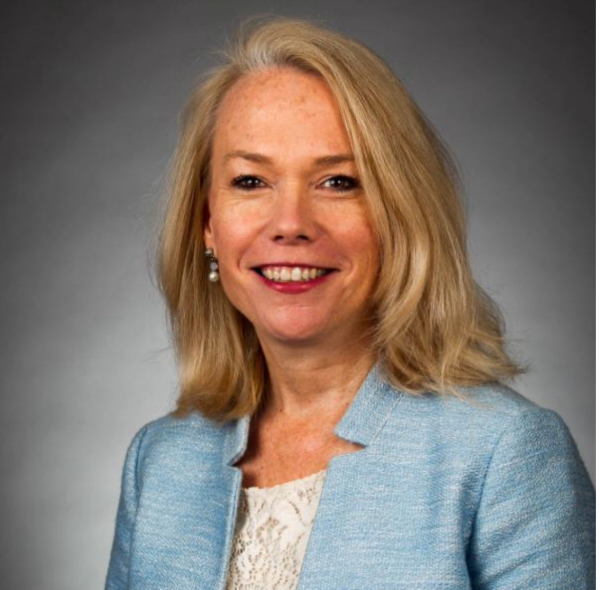
Nora is the CEO of NS Ideas LLC and is a Nationally Recognized Expert on Aging, Long-Term Care, & Retirment Policy. She is a health and aging public policy expert and Inspirational speaker on mental health, disability, and aging. You can read her article Opening Up About My Struggle with Recurring Depression in Narrative Matters. Find her on Linkedin.
FAVORITE SONG: HELP, By The Beatles
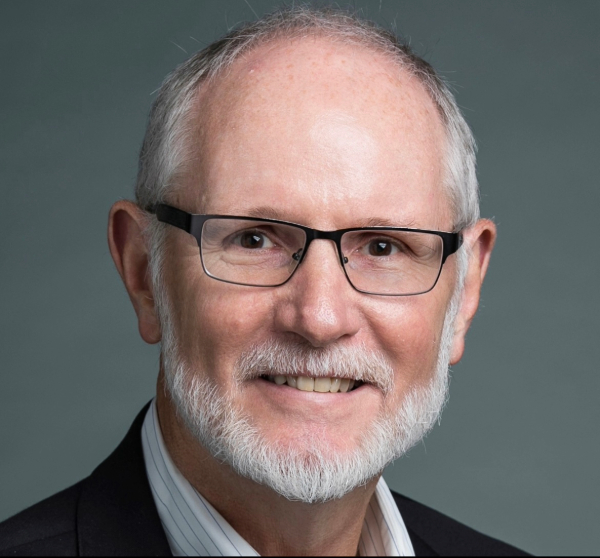
Len Nichols, PhD, is a Non-Resident Fellow at the Health Policy Center of the Urban Institute and Professor Emeritus in the College of Health and Human Services at George Mason University. Connect with him on LinkedIn.
Stay in the KNow!
Get our monthly email featuring expert interviews from the healthcare industry with real insights, no fluff. Get the latest information that help you better understand your healthcare options.
Thank you for subscribing! We're excited to have you here.
You’re all set and will receive our monthly email with expert conversations and insights from leaders in healthcare.