
Ladies Who Venture: Innovations in Digital Health and Investment
Reconnecting in Healthcare: A Decade Later
In this engaging conversation, Robin Strongin reconnects with three influential women in healthcare –Missy Krasner, Dr. Rebecca Mitchell, and Lisa Suennen – who share their extensive experiences in digital health, venture capital, and the evolving landscape of women’s health.
They discuss the significant changes in healthcare investment over the past decade, the impact of COVID-19 on the industry, and the importance of integrating technology and human touch in healthcare. The conversation also touches on the challenges and opportunities in women’s health and the future of healthcare innovation.
Takeaways
- Reconnecting with industry peers can spark new ideas.
- Digital health has evolved significantly over the past decade.
- Investment in healthcare is increasingly focused on technology and innovation.
- COVID-19 accelerated the adoption of digital health solutions.
- Women’s health encompasses a wide range of issues beyond reproductive health.
- The funding environment for women’s health is challenging but evolving.
- A massive transfer of wealth to women is expected in the coming years.
- Collaboration between clinicians and tech innovators is crucial for success.
- AI has the potential to transform administrative tasks in healthcare.
- Music can play a therapeutic role in healthcare conversations.
Chapters
00:00 Reconnecting After a Decade
01:05 Career Journeys in Digital Health
04:30 Innovative Ventures in Healthcare
15:12 The Evolution of Healthcare Investment
23:02 The Impact of COVID on Healthcare
28:55 Navigating the Future of Women's Health
47:25 The Role of Music in Healthcare Conversations
Ladies Who Venture
Speaker 2 (00:02.7)
Hi everybody, this is Robin Strongin here with another conversation, Health Dame, and I'm pretty much going insane with excitement because I haven't seen these three amazing people in, I think it's over a decade now, at least a decade. We all first connected over Disruptive Women in Healthcare and Missy. You wrote the very first healthcare blog. You interviewed Matthew Holt.
when he had just started Health 2.0 and remind me, who did he start Health 2.0 with? The wonderful doctor. Oh my gosh.
It was, wasn't it, Ina, what was her name?
Oh, God, you guys remember? Oh, God. Time has gone by, but I don't want to give Matthew all the credit because. Thank you. you wrote my first, yes, you were the first contributor. So and then all of us connected with Hallie Teco and Rock Health and XX In Health Conference. So we have a lot of ground to cover.
Yes, I can't think of it.
Speaker 4 (00:49.792)
Indu, indu, subhagin.
Yeah.
Speaker 2 (01:08.43)
God knows what health version we're up to. It's not 2.0 anymore. I can't even count that. Yeah, 666, exactly. So what we're gonna do is start with each of you just a very brief introduction and a little bit about what you're doing. And then I have about 10,000 questions and we're gonna have what I think is gonna be a really interesting conversation. So Missy, take it away. Oh my. What do you do? Very brief.
I'm very, very excited to be here today and reconnect. It's been so much has transpired since we've all been together. And of course, I'm very excited to just connect with these other two powerhouse women as well who I've known for years. So I'm Missy Krasner and I've been in digital health and healthcare for about 36, 37 years now. And I started out my career mostly working in big tech. So I did the first tour at Google on the Google health side when Eric Schmidt was CEO.
And Marissa Meyer was at Google and we were trying to do some more mediated personal health records, like Gmail for your medical records. That was super fun. Did that for seven years. And there's been several Google health teams since me left, ended up going to Box, which, you know, like OneDrive or Dropbox, like all those sort of like file sharing tools. At the time, Box was kind of a darling in Silicon Valley and the CEO, Aaron Levy, had
had had a lot of Google people working for him. And he was going to go public and they wanted to do something in healthcare and life sciences, like beyond just HIPAA compliant file sharing. So came on to lead the industries team there, went through the IPO. That was my first big tech IPO because I joined Google right after they IPO. And then from there, Amazon came knocking when they bought PillPock Pharmacy. And then they were thinking about Amazon Pharmacy, Amazon Care, doing things with Alexa, making her HIPAA compliant.
And so spent several years at Amazon. In between, I did a short tour in venture capital. I think that's probably where I met Lisa and Rebecca. I was at a firm called Morgan Taylor Ventures, which is a mixed fund. It's now called Canvas Prime. I was around for Practice Fusion Series A. The first sort of ambulatory EHRs that was cloud-based and had an ad revenue model. Then went to Doximity Series B, which now has
Speaker 1 (03:33.888)
know, public and sort of people refer to that as LinkedIn for Doctors, that was very successful and did a series of other investments there as well that I won't, you go into, but those are the two early ones. And then I also did another tour recently in investments with Redesign Health, which was a venture studio out of New York that had its own venture fund. We were deploying anywhere from two to four million of capital into seed investments that we incubated.
And so my job there was to help get those sort of new seated companies up and running and be sort of a board member, help them fundraise, help them get their sort of first pilots and their first deals. And so I have departed from redesign about a year and a half ago, and now I'm angel investing. sit on nine different sort of advisory and company boards. I work with digital health companies seed into series A, and I have a couple that are a little bit more mature that are on the healthcare AI side.
So that's what I'm up to. And I live in Southern California now. I've left the Bay Area.
Amazing. And then we have Dr. Rebecca Mitchell. And it's been a long time. You've done a lot of traveling. And I know that you've been all over the globe. I've been following some of them. But maybe it's been a while since you've been overseas. I don't know. But you've been very busy. So have at it.
Well, first of all, just so excited to be on this call with all of you. mean, reflecting back to when we all met, mean, all three of you for me were these you were women that I aspired to be like grew up in my career and so
Speaker 4 (05:03.192)
my god, I think she just called us old.
I'm right behind back then. I'm just really feel so grateful to be on this call together and have been in a good relationship with all of you for the last couple of decades. So currently I'm one of the three co-founders and managing partner of a new early stage firm called Scrub Capital. I'll start in time. Thank you. I got to share how the name happened because I love this story. Scrubs of course are what clinicians, especially physicians wear inside healthcare systems, especially the OR.
Love the
Speaker 3 (05:36.178)
And one of our first events, know, for a startup fund. So the first event was largely me just throwing out a call on social media, like, hey, clinicians, let's come crash JPM and specifically the cafe at the top, like at the four seasons, you all probably know.
So JP, conference in January, right? JP Morgan.
And so I just sort of sat down and tried to save a little space thinking maybe a dozen people would show up. 80 clinicians came in, completely took over the Four Seasons Cafe and tons of them were wearing scrubs because they had just come off like overnight shifts or like popped out of the OR. And it was just this beautiful visual in the midst of otherwise like total like men in suits, right?
And it was just like a really magical start to the whole community and the fund. So anyway, that's where the name and brand came from. But really the core premise of it is quite simple. It's the people who are in the trenches, practicing medicine, who know the science, as well as like the operators building the companies. know, Misiebi, great example. We believe we're the one's best place to invest in and support companies, especially in their earliest stages. But we wanted to do it in such a way that took advantage of all this great about angel syndicates.
but kind of gave people more ability to pool their capital, better risk exposure, better access to thematic experts, maybe in an area they don't know about, but like their peer in a different part of medicine really knows a lot about. And on the founder side, know, our checks could actually stick around as the company is scaled instead of getting.
Speaker 2 (07:08.91)
the health professionals in the scrubs,
are very intentionally broader. believe, look, mean, believe this, so we'll go back into my background in a moment. But I wanted to start here because it's really, I feel like the natural culmination of so many of the things that I've had the great opportunity to learn and do alongside clinicians in my career, but feel very strongly that both in startups and on the cap table, you need the entire care team because we are building products and solutions that implicate the entire care team and look like.
I had a midwife for both of my births of my two children very intentionally because I looked at the data and I was like, great, like supervised midwife practices. I believe in that model. So it's, I just really believe in all those perspectives being appropriate for different.
Misty and Lisa because they're shaking their heads a lot.
Good. So that's what I'm doing now full time with two wonderful co-founders, Christina Farr and Dr. John Slotkin, but going way back. So I grew up in a really rural part of the United States, Northern Wisconsin. I promise there's like a purpose to this information I'm sharing, not just going back to the very beginnings, but had two parents that were in healthcare and just saw up front since I was a kid, their struggles in making a delivery system work that certainly was not built.
Speaker 3 (08:29.304)
for healthcare, right? And like all the cliches of hospitals shutting down, lack of subspecialists, right? Public health being really stretched, heard from them around the dinner table my entire childhood. I lost, we unfortunately lost two members of our family that lived in that area due to totally avoidable medical heirs, amazing people working in an incredibly overburdened system. And so, and also bizarrely, despite this...
kind of scenario for our healthcare access in that area. We were also one of the towns that had one of the first supercomputer companies based within it, Create Computers. there was this like strange mix of like tech and engineers, right? And product thinking also in the community. And so I was very, very interested from a very early age in how we could use technology and so many of the creative things I saw my parents doing with people and community programs, right? Not just the technology to solve for that gap.
and prevent other folks from losing family members and just generally struggling and accessing quality care. That brought me into global health. I built and ran a nonprofit for several years where we were doing micro grants and some kind of basic business training for individuals who had small startup ideas, particularly in Sub-Saharan Africa and Southeast Asia, really largely with like a heavy public health bent, came to really believe in the power of entrepreneurship through that experience.
and then went to medical school out here in the Bay Area at UC San Francisco. I think this was around the time that I probably initially ran into Missy. I was just amazed by her and all the work that she was doing. Missy, Rock Health was starting around that time. I had the real fortune to have a teeny tiny little like medical sort of advisor role at Doximity. So just got like a lot of exposure to people doing the work that I believed in for real. And I was...
Peace out.
Speaker 3 (10:17.782)
I became totally bought in, not only to the progress they were making against really entrenched problems I cared about, but also more than anything, the cultural orientation that community was taking to solving for these issues, like extremely collaborative, very diverse people with a seat at the table, thinking from first principles. There's no sacred cows, like in terms of what they were willing to try as long as it was ultimately going to help patients in society. And that resonated with me so much because I'd experienced firsthand up close.
where I grew up and then in global health, just the degree and scope of human suffering that exists in the world, like the consequences of inaction. And I actually think often, especially in digital health, health IT, whatever we're calling it, we don't appropriately weight the consequences of inaction against the potential consequences of trying something new, which is a different, longer conversation.
So I finished medical school and decided that I wanted to become one of the best in the industry at designing and building products, particularly products that were going to close that gap between where people were in their day to day lives and their home and in their communities and their doctor's office and health systems again, kind of by where I'd come from. And so I did that for about 15 years across a number of wonderful organizations and some that were
started and totally failed. like, will Owen have had to fill your experience as much as I've had great experiences in some of these fancier logos I'll mention in a moment. But I got to work with the LIDIC when they were partnering with Kaiser Permanente rolling out some of very first chronic care programs at scale. That program is now nationwide across all of the regions. So, you know, that was a whole team of people don't take individual credit for that, but a really powerful initial experience partnering with a whole integrated health system and their clinicians.
to design something really, really new and seeing what was possible when you paired the technology with real, like workflow and appropriately business model change on the client side. I joined Lavongo fairly early in their community. think Missy, you may have actually been a helpful person on my shoulder convincing me to say yes to that opportunity because I wasn't looking at the time, but was really with them as they were just starting to go into their growth phase, initially ran
Speaker 3 (12:30.956)
and the clinical platform. thinking about how we delivered clinical outcomes, how we created tools for not only our coaching team, but larger care teams to use. And was, think, I would say, not only because I was good at that job, but also because I was sort of obnoxious, constantly wanting to think about the much larger program, ended up getting promoted into running all of the product lines. And so it was my team's responsibility to launch the new chronic condition lines, help take them to other market segments. And so I did that through their IPO.
And then the huge acquisition by Teladoc lasted after that merger for about a year and a half. I'm to share some of those thoughts and stories. But yeah, so like saw up. Exactly, exactly. can go grab a glass of wine. But for a year and a half and was running actually all of the product lines other than their DTC behavioral health programs at the time. So got the experience to serve tens of millions of patients a year along the globe through those products. And they were spending off billions in revenue.
Sitting around doing nothing all these years, huh?
I was totally burnt out after that I could turn you around and show you my completely not like overgrown over planted garden but you know made an interesting urban farmer to like heal myself. But, you know, a couple couple things so really important lesson I took from Levongo was you make far better products you're far more commercially successful not just in selling to clients but in like reshaping the thinking of the industry. When you have clinicians
at the table, like from the leadership level all the way through the different functions in an organization and You know question we always get at scrub and I even got back then when intentionally, you know, hiring for these folks or you know talking about the incredible experience working with them was well aren't doctors in particular so it's, you know, opposed to change and like said in their ways, yada yada like experts can't innovate and
Speaker 3 (14:24.084)
My answer is consistently something magic happens when you sit those experts alongside people with other skills like product design, they're commercialization experts, they're engineers, and you select appropriately for people who think about their responsibility and like job in their career to bring about patient and human health versus like my career orientation is to do my work in a really specific way in which I was trained. And there were some back then there are now hundreds if not
Thousands like that culture is changing really really fast. So kind of gets to scrubbing why it's the right time companies to sometimes Hundreds if I've been particularly saucy on social media I tend to only post when I'm mad about something which makes my posting very uneven But when I do it I guess um, and so it really like that was that was what led to scrub capital
Okay
Speaker 2 (15:14.77)
Well, Saucy is a good intro to Lisa, so who's actually, I love how you describe yourself as having a Rubik's Cube knowledge of healthcare because you've really gone broad and you've gone deep. So tell us where you are today and what brought you there. And then we're gonna like really dive into some questions I have about the healthcare that we're all experiencing for better or worse today. So go for Lisa.
Well, it's great to see you all, friends, long time and colleagues. My career started in tech originally, originally. And that was back in the days when it all looked like the Flintstones pretty much. There was no real internet stuff back then. It was not that exciting. And I quickly realized I wasn't that into it. And I joined a health care startup, which was in the behavioral health area.
back when that wasn't yet cool. And we ended up growing that company to about 800 million in revenue and 35 million covered lives and a lot of capitated full risk programs covering mental health and substance abuse. All things that were ahead of their time went away for a while and are surging back. Very interesting to watch. And I ran all of sales and marketing, all the product stuff and a lot of the operations that company went from when I joined.
I joined, had about 5 million in revenue. And when I left it, it was a handful million revenue, 3,500 employees, and I'd gone public to great success. And then it got acquired by Magellan. And it's a very interesting ride to see it from beginning to end, like you guys have seen in other companies. went from there. We had a model that was very much driven by
It was very mission-based. The mission was, if you improve access and quality, cost reduction will follow. And it worked really well in that company. was very clinically driven, and it was very successful in reducing costs for payers and employers. And it was heretical in that nobody thought about things that way back then. By definition, things that were better quality should cost more in health care. So we decided, being saucy as we were,
Speaker 4 (17:38.712)
to start a venture fund that was focused on that concept, that you could use this concept not just in behavioral health, but in all of health, that if you looked at things that really designed to improve quality and access, you could bring costs down across all of healthcare. So we started a fund called Silo's Group that was back in the late 90s. And I was there about 15 years investing.
I invested in the very first company doing clinical decision support through algorithms called Active Health. Missy knows that company well. I invested in a company, the very, very first remote patient monitoring company, Health Hero, was called. Total disaster ahead of its time. Would have done well in this world. And numerous other things. We did health tech, we did medical devices and diagnostics.
Additional medical like FDA review that sort of medical.
And yeah, real medical devices, interventional stuff, and also in services. Services really are our stronghold because back then, people believed you actually need human beings to run health care. Turns out it seems to still be true, but in any event, not everybody agrees. So I was there 15 years. I left there. I did consulting for a while, kind of like what Missy's doing now.
And then I joined GE Ventures and I led their healthcare venture group for a bit until GE decided to get out of the venture business at that time, which was really a shame because I was a great fun with great people in it. Most of whom have either got onto phenomenal success elsewhere or retired. I then went to Manat and was a partner there and I built.
Speaker 2 (19:29.068)
Law firm, big law firm.
It's a law firm and a consulting firm. People don't realize that consulting firms as big as the law firm in many ways. But I also ran the full practice for digital health and for medical devices and for entrepreneurial organizations across the board, not just healthcare. So I got to have the pleasure of having both consultants and lawyers work for me. And I survived. So I did that for a while, but I missed being part of the day to day.
Class of
from a console.
Speaker 4 (20:00.696)
sort of venture and business world the way I had been. And so I ended up leaving and actually thinking I was gonna run a company. was talking to people about being CEO of bunch of different companies and I was headed in that direction and out of left field came this opportunity to go to the Heart Association where I had been involved as a consultant 10 years ago and helped them start their first venture fund. I'd actually met the CEO of
Heart Association, Nancy Brown and Leigh Shapiro, who I know you all know very well. And the three of us joined the Qualcomm Life Board on the same day and we got to be friends. And now here we are, I work for Nancy and Leigh is chairman of our board. Weird small world how the thing works. Anyways.
What are you doing there specifically?
I run the Ventures Group, Heart Association Ventures. We have four venture funds. One is a medical device focused fund. Everything, everything swirls around cardiology and brain health. So heart health and brain health. brain health too. Yeah. A lot of people don't know that the Heart Association is actually the Heart and Stroke Association. And we've gone much far beyond that.
So too.
Speaker 2 (21:12.654)
That's why.
to things that are sort of the next level out in brain health and also things related to heart health, like kidney, metabolic, pregnancy related conditions, all different kinds of things. So we have a medical device fund. We have a women's heart and brain health fund. That'll be on heart and brain health to the conditions that cause heart and brain problems. We have a social impact.
fund that invests in social determinants of health type organizations. And then we have a venture studio that does company co-creation and creation in the same general vein. then. Yeah, exactly. And arteries. We so yeah, it's it's all together about a $200 million platform at the moment and thinking about what some of our next programs will be.
Pun intended.
Speaker 4 (22:12.04)
you know, along the way I did a bunch of other stuff. I was always one of those, know, add people that couldn't sit still. I have, I started a blog called venture Valkyrie that a lot of people know me as, which always cracks me up when I get called that.
I still think of you that way. Yeah.
I still write it, just that.
your last name for a while if I'm honest I was like yeah Lisa love the like
I teach at Berkeley and I have for years, like 17 years in the business school. teach healthcare venture capital and I run the investment committee for an Australian digital health focused fund and also still sit on the Minat Ventures Investment Committee. So I still do some other minor external activities.
Speaker 2 (22:58.062)
What you guys say is the biggest difference from like 12 years ago with venture and investment? What's changed?
What is 12 years ago? 2013. I'm thinking about the difference then.
Yeah, I mean, has anything changed? can't imagine it hasn't because health.
I think a lot has changed. My comment is, first of all, digital health wasn't really a thing yet. It was an idea. Some people were into it, but it wasn't really. Technology really wasn't core to most health care yet. Number one, except for like, you know, claims payment and back office hospital automation. Number two, venture capital was much more of a small industry. You didn't have small funds popping up all over the place. You didn't have the giant mega funds either.
Okay.
Speaker 2 (23:49.121)
Okay.
Those are somewhat cyclical in both cases, but nevertheless, it was very much a smaller world, I think on the venture side back then, especially in healthcare.
Yeah, I would agree. think like if you're looking at like 12, 15 years ago, digital health was not a term that was well understood. People would think of it as health IT or e-health, you know, and it was very, you know, software that sold into either payer, employer, broker, or provider was really given to either an enterprise, an enterprise team, or it was given to a team that was life sciences.
On the investor side. so this was really a moment in time where as digital health became more of its own industry segment. And we got to see more and more companies that were IPO and I mean look if you look at a model and hinge health I think it took a model almost 14 years to IPO recently.
that don't know Oma, it's line of businesses.
Speaker 1 (24:53.09)
Omada is a of a cardio metabolic company that's really sort of focused on pre-diabetes and diabetes and it sells mostly into the employer space, but also. And so interestingly enough, think, you know, we've seen a whole sort of maturity of exits. mean, active health, Lisa was a pioneer. mean, active health was a very big exit to Aetna, you know, and really sort of what I would call, you know, disease management 2.0.
really, you know, pioneering that space with new tools. So I think there's just been a tremendous amount of, you know, its own focus. think with COVID, we saw a massive door opening because, you know, everybody was like sort of running towards virtual, the whole entire sort of system broke down. And so you saw this like kind of massive digital health bubble that anything that was virtual first, digital app first, digital front door got sort of funded. And we have this sort of
Massive kind of valuation moment in time where you know teams that had great track records that had built things before and were jumping into new ideas were getting funded with like no tech whatsoever just on a concept in the team and they were either delivering or not delivering. You know the whole concept of remote patient monitoring very much what the litig I mean Rebecca was pioneering in the early days so you got to pioneers here that have had some interesting sort of train tracks that have sat down but.
You know, I failed to mention in my intro that I was at the first office for the National Coordinator of Health and Human Services back when David Breiller was there. I think Robin, that's where also you and I met. You know, that was the beginning of the high tech act of rewarding doctors for using, you know, electronic health records rather than using Manila folders and paper. Like there's just been a massive sea change into data liquidity. We still haven't figured out interoperability, but we're a lot closer. And I think that
what sort of define the digital health segment or the health IT segment. And so now you've either got investors that are looking at tech enabled services, right? Like in behavioral health and neurology and primary care innovation. And you've got another group of investors that have come over from the technology side that are looking at AI and automation. And we have another big massive bubble. Lisa just wrote something very telling about is AI the answer or not recently blog.
Speaker 1 (27:16.046)
But there's a massive, mean, 85 % of all deals up in the first half of 2025 were all in AI and there were, you know, on average 34 to 35 million at a seed and our series a so big AI bubble. A lot of my companies are in it. Thank God. And then other piece, I think that we're seeing that's the sort of new massive kind of elevation in funding is everything around sort of
you know, sort of longevity living and like, where are we going with longevity? How do we extend life? How do we extend the quality of life? How do we think about, you know, kind of a little bit of a D to C feel of concierge meets kind of, you know, web 3.0 and longevity. And there's a lot of interesting funding going on. And I personally believe, and then I'll get off my soapbox and pass it to my esteemed panel here.
I think that just everything that's happening with our administration right now and the massive erosion of safety net, rural and Medicaid, like you're gonna see all of that risk sharing go into consumers and in commercial bottles like commercial insurance. And we're gonna all have to pick that up and that's gonna drive more people out to consumer and retail healthcare. And I think this whole longevity thing is a very interesting pull through. That's my-
Yeah, I mean, you know, one thing that happened during this time was Obamacare, right? So 30 million people who were uninsured became insured and now they're about to become uninsured. Yeah. And, like we only can imagine what, you know, chaos that will reap on the system. you know, I also think in this last 12 or 15 years become extraordinarily easy to start a company. It used to be hard to start a company. Now it's easy to start a company. It's still hard to build one.
again.
Speaker 4 (29:04.078)
Um, but any kind of anybody, you know, can outsource all the basic functions of creating a company and have one tomorrow afternoon, including a pitch deck they built on chat GPT. And it's too easy in some ways it's too, there are too many companies proliferating in little nichey things in a way that didn't use to happen even that long ago that, that recently, you know, 13, 12, 15 years ago.
in
In terms, know, words matter and all this talk about longevity, not everybody wants to, you know, depending on their diseases, some people don't want to live a very long time. And in fact, you mentioned you had a midwife, I'm going to be interviewing a death doula in a couple of weeks, which is, you know, lot of people are talking about death and a meaningful death, which is just as important as a meaningful life and longevity and all of these issues.
One question I have for the real companies that are investing, meaning not the small ones that are doing the pitch decks on Chad GPT. Maybe they go on to do great things, who knows. But how decisions are being made? Are they any different today than they were, say, 10, 20 years ago in terms of, I guess my specific question is,
It's a marketplace, there needs to be a return on investment, that's obvious. But what happens when there's a skew in the marketplace? And what I'm speaking specifically about is, I think you guys know my husband, Brian, away a few months ago from Lewy body dementia. Most people think of dementia as Alzheimer's. And Lewy body is the second most common form of progressive dementia right after Alzheimer's, but most people don't.
Speaker 2 (30:53.472)
know what that is. They're not as familiar. And what happens is, including doctors. and Parkinson's is on the Lewy body dementia continuum. And so anytime, and Brian had both diagnoses, and this is relevant because on his death certificate, it said Parkinson's. And when he went into hospice, it said Parkinson's because coverage and reimbursement are less of a hassle
They're both legal, but they're less of a hassle. So the life science and other companies think the market is small when in fact it's a huge market, they're all the boring coding stuff that really counts and matters for a million reasons is misunderstood where decisions are being made. It's very frustrating. How do we get the right information or correct for that?
Yeah.
What do you think with scrubs?
Well, I maybe I'll give an example that makes so first of all, Robin, I followed your family's journey and you're writing what on Facebook so often. And I just want to say like, thank you for sharing that with all.
Speaker 2 (32:08.302)
I can't stand stigma and it makes me, you know, anyway, that's going to be a whole different thing, but thank you. Yeah. Cause he was still Brian even pretty much to the end. Yeah. Despite it all. But anyway, I digress. Yeah.
Maybe what I would share optimistically is there are many categories, particularly condition areas where people had the same pushback when a company came to market saying, look, this is a big market opportunity. We can actually intervene on the quality and cost structure of this problem. One of the most more recent ones is actually in GI.
You're now seeing many companies getting funded in GI health, but it used to be that once, say, an employer looked at the costs related to particularly chronic GI conditions, it was so sliced up into so many sub-conditions that in aggregate, you didn't realize that it was a huge crimp contributor to cost. And it really took companies like OSHI Health, which Scrum Capital invested in, Cylinder, some of the others. I know Missy, you're involved with one.
to come in and say, no, you are looking at the data wrong. Let's help you look at the data correctly and then talk about how there's like a real viable path to changing these outcomes for your employees and their families. So it is possible for smart people to, I think, make that argument. And there's good examples of where the market has.
you're you're totally right, Rebecca, I think, but also wrong, because, you know, the just the problem you described, Robin is one of miscoding on purpose. So you can never see the correct data. Right. And it's, you know, another example, or one of many examples of how we design healthcare to fit the billing system and not the healthcare, you know, needs. We see it all the time. And
Speaker 2 (33:55.15)
the reality of this.
You know, the adoption curve of products, if there's not coverage that doesn't get covered, even if it's better, even if it prevents an expensive condition downstream, because nobody will pay for something that takes two years to fix or prevent because they're not the ones on the hook for paying for the problem. You know, all the things that we've done to create a backwards, you know, system that is designed around payment and not designed around health. And I think, is there a way to fix that? No.
unless we start from scratch. I think you can only do it a little bit at a time here and there. But even if you can get the data aggregated in a way that makes sense, do you even know if the data is right? It's probably still deeply understated or misstated, but at least it's directionally correct.
Yeah, I I think that's what your sort of blog that you put up here is that, you know, there's always going to be bias and even the large language models that we're using to build AI models because the bias inherently lives in the data. And so if most of healthcare is built around payment models and insurance coverage and, you know, even our, clunky HRs are really.
focused around billing as opposed to, you know, true clinical documentation for health sake. But, you know, that's always the sandbox that we're going to have to be playing in in healthcare because that's just how our country has worked to deliver healthcare. And I think there are tremendous amount of innovations that will come if we do move towards more of a D to C model and we have to compete.
Speaker 1 (35:26.87)
for direct dollars, if more and more people aren't insured and are stepping out of traditional insurance models and we're getting a lot more alternative health plan models, then you're going to have a totally different way of talking to consumers, providing care for consumers, because then it's going to be like, hey, don't screw up my billing. This is the wrong diagnosis. And or it doesn't matter because I'm not in the insurance model.
You know, maybe that'll change with turning healthcare and insurance models on their head. We are seeing some interesting companies that are doing alternative payment models and insurance. Both kind of started that trend long ago. But I think what's more interesting is sort of like, it is kind of what Lisa's brought up. know, Rebecca's looking at a ton of companies in this space through scrub. you know, I think that
huh.
Speaker 1 (36:14.26)
AI is going to be very, very interesting as we move forward. think that the biggest lift that we're going to see is just on the administrative side, you know, like all of the ridiculous workflow, whether it's call center workflow, it's prior off, it's HCC and risk coding or pop health sort of risk coding. There's just a lot of human stuff that we do today that can be augmented by AI, but you know, I would
I would pop it to Rebecca, who's on the clinical side. I still think there's a long way to go. You know, and I worked at Amazon and I worked on Alexa and smart speakers, the first generation of this AI, which is now leapfrogged considerably. I think there's really, it's a, healthcare is always going to be a high touch care model. Like you're always going to want to talk to a human. It's an emotional process that you're in when you're sick or a family member sick. You're always going to want a human in the loop. But if I can go faster,
If I, you know, I recently, I'll just pause with an antidote. I recently was riding around my neighborhood and as I do every single day on my bike and got hit by a little kid on a motorcycle who was popping willies and fractured my wrist in multiple places. I dislocated my knee patella. I had a hematoma on my elbow. I actually have my wrist out of my cast and you know, have my stitches out just as of yesterday. And so I'm, you know, I'm doing my PT as we speak.
But the practice that I went to was fully AI enhanced. They had an ambient scribe doing all their ambient scribing. had a startup that was in the front end of their AI call center. So every time I called, everything got meta-tagged and routed. And that got routed into my billing. It got routed into my in-basket on the EHR. It got routed into scheduling optimization. And I had a tremendous experience.
I was on, I can't even tell you it's been 32 days. I'm already out of the cast, had the surgery and in rehab and everything's. Yeah, yeah, fully like, you know, I'm already I'm already like dressed.
Speaker 2 (38:12.598)
NURGERY! my god!
Speaker 2 (38:17.868)
Human being did the surgery.
That kid's mowing your lawn for life.
Yeah, yeah. And I'm telling you, was a random referral that I landed in this fantastic ortho circuit. I live next to one of the biggest retirement 55 plus communities next to the villages in Florida, it's leisure world here in Southern California. So anybody that's in a fever service like ortho practice is just jammed because it's a volume game. And so what can you use on the front end?
to really get high skilled surgeons doing the important stuff and everybody else doing the sort of lower level stuff. Like I saw it firsthand and I was like, tell me all the startups you're using, cause I want to go talk to them. This was as a consumer, a patient, an amazing experience, top to bottom efficiency, every touch point. And that's hopefully where healthcare will be with the advent of AI, but still a long way to go on clinical decisions. mean, Rebecca, you see tons and tons of stuff every day that's being pitched to you.
I'm still a little suspicious of a diagnosis, a nurse or a care manager kind of helping me along, a registered dietitian who's a full AI bot. I even have some companies that are piloting that. I don't know where you're at on that, but that's where I'm concerned.
Speaker 3 (39:31.902)
so I'll say a couple of things. one, one of the things that I think we don't talk about enough during that happened during COVID is that a bunch of insiders that were told change has to happen really slowly. We have to do certain things in person, only a fraction of things virtually suddenly experienced that that was not true. Right. That was not true. It was never true. Right. It was, it's a.
That's very fun.
That was a huge part of what has made this fund scrub possible because now there's tons of insiders who believe that. And it's also led to a real like groundswell of clinicians who are now founders or inside these companies working alongside the founders. And the orientation is, it is both what you're describing, Missy, and I've had several experiences like that myself, and they are, they're absolutely phenomenal consumer experiences.
And often the clinicians inside those organizations are much happier and do feel like they're practicing at the top of their ability. But what I'm observing that I find even more interesting, largely aided by this group of now very activated people, is a recognition that the system that we exist within, yes on the billing side, yes on the regulatory side, but also in our definition of who does what and in what context, is also just like,
it's just a construct, right, for the business models and regulatory system people have been practicing it and training it for a long time. And so what I see a lot of that gets me excited and that gets, and of course I'm generalizing, gets the larger community, which there's now 900 amazing, amazing folks working with us excited. It's not this dichotomy between like keep the people as they are today and give them better tools. And it's also not get rid of people in medicine.
Speaker 3 (41:23.758)
I mean, I think we will have changed completely as a species at the point that we're getting rid of people, right? And something as intimate and as scary and as important as medicine. But it's saying, what does it mean if we can bring together human and machine? And does that change the actual shape of different specialties and who does what, right? And actually it's going back to the first principles.
Yeah, and of that, where you grew up in Wisconsin, rural Wisconsin, would these tools be possible? Like, is there an infrastructure? it used to be we worried about, you know, broadband availability and things like that. I mean, are we making us, and again, I did a lot of work on the consumer side, so I'm always worried about people who are left out, you know, with all of this.
And I think it's back to your inaction. We have to do something and you want to move forward so we can get to that last mile and all of that.
It's an absolutely great question. I mean, I have some experience with it from only a few years ago because I was part of Homeward Health in their first year, right? And they're specifically looking at how to make care better, particularly primary care for older adults in rural America. And the answer is, no, the infrastructure is absolutely not fully there, but you can design for that reality and still make a substantial improvement on status quo. So we had...
We had things like a mobile unit that would move around. We bring people to people's homes, but we also, you know, we're providing a lot of care virtually where people, you know, did have the bandwidth. And we were also doing, I should say, they now are doing even more, which is really exciting, to support the clinicians who are in those regions in the ways, you know, that Missy was describing earlier. So it's, you that is absolutely still the mutation.
Speaker 2 (43:12.524)
No more talking. Go ahead, go ahead.
Sounds interesting. We just invested in a couple of companies that are doing virtual care remotely for places where, know, for categories that we care about, obviously that, you know, are super underserved, not because necessarily they're rural or not rural because there's no cardiologists there, neurologists there or whatever there may be. And so the wait times are four or six months to get a doctor's appointment.
And you're
that what it's facilitated is access to people, you know, and I think.
Isn't that Enos new company or the Domino? She's such a great founder.
Speaker 4 (43:47.433)
Yeah.
It's really it's called Xero. It's really interesting company. Anyways, I, I just think there's a lot that can be done with technology to augment care. I just, you know, worry that people get very sloppy and used and try to do things too fast and replace real care. I
Like, OXYLOR is a great example of like, I think of that as Uber. Like that's about finding people and putting them in the right pods into the right practices. And like, when I think about Uber, didn't, like, if you think about picking people up and or delivering food, that's not a new concept, right? It's just that they used the power of technology and even AI to essentially have a massive hub, right?
marketplace.
And it's very similar to what she's doing. Like she is figured out a better like pod, a drop in pod, right? To be full and integrated into the practice to go. And it's so simple and elegant, right? It's like, well, we've been providing staffing for a really long time to either health systems or practices, but what's different about it? It's the technology that you can leverage today on training, credentialing and logistics that makes us go way faster. And back to my original point.
Speaker 1 (45:06.294)
It's all about workflow automation and essentially going faster and being able to take out some of the repetitive tasks and some of the labor to get people, you know, whether it's, I got to run more at my practice more efficiently, or I need, you know, I need a cockpit of talent that's going to help me. need a scribe talent, like whatever it is, right? We can do that much more efficiently now. And I think that's where digital health has made its inroads.
I think Rebecca, you and I are both in some tech enabled services. I've had a lot of behavioral health companies that I've been in. We're both in a GI company. I think that's about also being able to expand staffing models, right? Because, it's great for practices that wanna drive revenue, but whether you're a primary care practice and you have people coming in saying, hey.
I need a behavioral health consult and it's like, well, good luck. Here's the referral. Go figure it out. About three to six months to figure out if you could find someone or, Hey, I've got what feels like irritable bowel syndrome and I don't, can't get help. And I'm like crippled over and I need a diet lifestyle assessment. Like doc helped me. And everybody's like, I can't deal with this low acuity stuff. Like I'm a surgeon or I need to scope you. That's where I'm making my money. I think that these wraparound services that are enhanced by technology.
are great, you know, or if it's a new care model, it's primary care innovation, or it's, you know, trying to introduce a value based care contract in like, you know, dementia or neurology, like that. These are interesting things that I think can be supported by the new guide model. That's where I think tech enabled services are still getting play. But you know, some of the
I'll take your Uber example. In general, it's correct, but in the specific, it's not because you don't create a trusted relationship with your Uber driver. You never see them again. so longitudinal relationship there doesn't matter. number two, Uber's goal is to get out, get rid of all the drivers or replace it with self-driving cars. they're just taking a step towards that, you know, with their automation.
Speaker 4 (47:13.426)
And I don't think that's what OXSERRA or any of similar companies would look to do. But I do agree there's opportunity to make things better because my personal experience dealing with the doctor lately was...
Horrible. Don't get me started. That's for sure. Yeah, for sure. And before I let you guys go, because I want to be respectful of your time, can't not ask.
Gotcha.
Speaker 2 (47:35.826)
Where are we on whatever we're calling women's health? Are we seeing investments in women's health? Are we seeing women? I know you guys are involved, but you know, there were very small percentages leading research teams, leading venture teams is and I'm also interested in young women. Is anything changing both in the venture space? You know who's besides you three?
And then in what we call women's health, I know in stroke and heart.
Thank you. Yeah. Lisa, this is all sort of you because you've spent a lot of time here. But what I will say is, clearly, the current administration has been very difficult around any kind of research, anything at NIH. I I feel I don't want to get highly political. served in Republican administration. But we have taken a huge leap backwards in women's health. However, there are still pockets of venture that are investing in women's health.
Joanne Ferrer.
I mean, we, yeah, but I think we're trying to help people understand that the health of women is their whole body. If you look at what actually kills women and causes them the most morbidity, it's cardiology, heart attacks, heart health. It's, know, neurology, 75 % of Alzheimer's and dementia cases are born in my women. It's autoimmune disorders, you know, 80 % women. It's all of the other things. And it's also, even if it's gynecological,
Speaker 4 (49:03.084)
It's not just the having a healthy baby or getting pregnant part. It's the preeclampsia part. It's the postpartum depression part. It's the things that are much more broad than the way people think about women's health. And so for us, we think about it in those very broad terms. do think there's a lot, one thing that there is, is a lot more willingness for people to talk about it and raise these issues. People talking openly about menopause, people talking openly about fertility, all the things that used to be taboo.
So that's the first step, know, is acknowledging that women exist. I think the second step.
is we're in a moment in time where forgetting the political part for a moment, which is sometimes hard to do, the funding environment is really terrible for everything in a lot of ways, except if it's AI for AI. And I think that while there are now many, many funds focused on women's health, not just our Go Red fund, the ability of them to raise money in a very tough environment for all funds, much less specific funds, is hard.
And they're mostly very young funds with mostly less experienced entrepreneurs or less experienced investors. And those are the hardest funds to raise, those very new ones. So, you know, it's a confluence of events that are tough. It was great to see the Gates commitment to all that funding for research. Research is critical. However, if it doesn't ever commercialize and, you know, what could, it do us all? So I think, you know, I hope we'll start to see a resurgence there, but it is a very tough time.
Yep.
Speaker 2 (50:39.266)
Rebecca, any thoughts on what, are you seeing more women led, you know, pitches and requests for?
So we're, so first of all, like enormous plus one to everything that Lisa said, couldn't agree more. We are seeing a lot of women-led businesses at our firm and a large number that are focused on issues of high interest to women, which I agree are absolutely not just limited to like the reproductive system. But I, it's not just bikini health, but I believe that's in part because two out of the three GPs at the firm are
Call it Zucchini Health.
Right.
Speaker 3 (51:13.238)
women and we talk about these things all of the time. Instead that I was going to bring up is that unfortunately in this contraction of venture capital, the progress we had made in companies led by women getting funded firms started by women as solo or part of a larger GP getting funded, we've lost a lot of that ground. And I don't have the data yet, but I suspect there's going to be a downstream impact in these kinds of businesses getting supported.
Well, I don't want to end on a not eating positive upbeat. Here's your upbeat meal.
Sing along!
Over the next 20 years, there's going to be a massive transfer of wealth to women. Massive, unprecedented amount of wealth that's going to move from the hands of control by men to women through, you know, just through trusts and transfer of wealth as states mature. And I do, while that probably won't affect my health trajectory, it will affect my daughters. And that's the one thing that gives me hope. Oh, yeah.
100 % and I'm going to be a grandma. Yes, I can't believe it. But the last thing is I asked each of you to think about a song because I'm curating a health theme playlist. that was the one thing up until Brian died we did every day as I made a new playlist because he asked he was a big music guy and music and the brain is a is
Speaker 4 (52:20.736)
Very exciting!
Speaker 2 (52:43.854)
big big thing fact my first interview is with doctor county to my know who i was on her board with all of her sex i got to meet all of her sex and very cool so and every interview i asked someone if you don't have it off the top of your head you can email it can either be your favorite song or something that relates to your work so who wants to
Right. Because mine's the same answer every time I get asked this. So mine is, are family, and that is the sister sledges version. Because as I think about health care in my work and what I care about, it's all about, hey, if you think about health care or public health, you think about sort of why we're all doing this 20 hours a day, it's because we're trying to actually lift the health of our family. That's what I do as a caregiver.
in
Speaker 4 (53:28.578)
was very inspirational. Mine is bad to the bone because that's how I want myself and my friends to be remembered.
Heh!
Speaker 2 (53:37.57)
so glad I'm your friend. Okay, Rebecca, bring us home.
So I was going to be honest in answering this because your question was framed also as like, what are you listening to all the time lately? And I will, our family is listening to a lot of Enya because I have a kindergartener starting kindergarten. My husband and I are both entrepreneurs and like we need that at bedtime every night. But the way that I will tie it back to the larger world is just to recognize that like Missy, Lisa, Robin, everyone, like we are doing this hard work and what is also in a larger sense are very difficult.
time in many ways and we all just need to take care of our ire.
These are amazing and you guys are amazing. You know, thank you for spending time. I know you're really busy and it's just, I could talk for hours and I hope when you get to DC you'll let me know and if I get to the West Coast I will let you guys know and let's stay in touch more than once every decade because it's really, really cool stuff. So thank you. It was wonderful to spend you.
Thank you, Skun.
Meet the Ladies Who Venture:
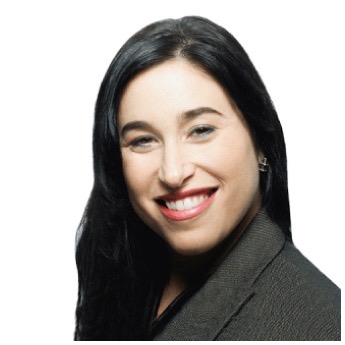
Missy Krasner
Seasoned healthcare operator, investor and Board Member. Previously worked at AMAZON, GOOGLE and BOX on healthcare initiatives as well as in GOVERNMENT & VENTURE CAPITAL.
https://www.linkedin.com/in/missykrasner
FAVORITE SONG: We Are Family, Sister Sledge
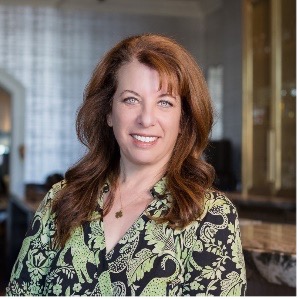
Lisa Suennen
30+ Years of Healthcare and Team Leadership – living in the center of the Venn diagram between healthcare, entrepreneurship, and technology. Very comfortable coloring outside the lines.
https://www.linkedin.com/in/lisasuennen
https://venturevalkyrie.com
FAVORITE SONG: Bad to the Bone, George Thorogood and the Destroyers
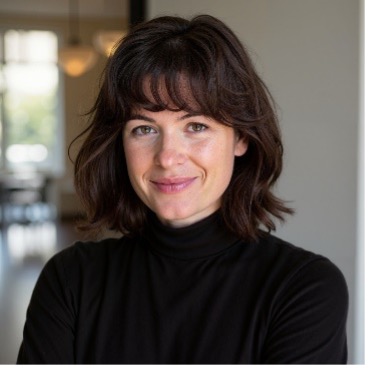
Rebecca Mitchell, MD
Investor, Product Doc, Co-Founder & Managing Partner at Scrub Capital
Rebecca was one of the first clinical product leaders in health tech, leading products at startup and public companies that reach tens of millions of patients worldwide. https://scrubcapital.com/
FAVORITE SONG: Anything by Enya
Stay in the KNow!
Get our monthly email featuring expert interviews from the healthcare industry with real insights, no fluff. Get the latest information that help you better understand your healthcare options.
Thank you for subscribing! We're excited to have you here.
You’re all set and will receive our monthly email with expert conversations and insights from leaders in healthcare.