
Navigating a Brain Tumor Diagnosis
The Importance of Patient Advocacy
In this conversation, Robin Strongin speaks with Chris and Nicole Gardner about their journey through a brain tumor diagnosis, the challenges of navigating the healthcare system, and the importance of having a support system during recovery. They share personal stories, insights on patient advocacy, and reflections on the emotional toll of such experiences. The discussion emphasizes the need for better support structures in healthcare and the value of community and relationships in times of crisis.
Takeaways
- Having a strong advocate can be life-saving.
- Navigating the healthcare system is often overwhelming.
- It’s crucial to ask for specific help when needed.
- CaringBridge can be a valuable tool for communication.
- Support from friends and family is essential during recovery.
- Conversations about health decisions should happen early.
- The emotional impact of a diagnosis affects the whole family.
- Recovery can take longer than expected, and that’s okay.
- Building a network of support is vital for healing.
- Healthcare providers need to improve post-surgery support.
Chapters
00:00 Introduction and Personal Backgrounds
04:20 The Diagnosis Journey
11:20 Navigating the Healthcare System
20:05 Surgery and Immediate Aftermath
27:25 Recovery and Support Systems
41:10 Reflections and Advice for Others
51:58 Musical Reflections and Closing Thoughts
Gardners
Good morning. This is Robin Strongin with Health Dame. And today I'm super excited because I'm here with two very special people in my life, really, really dear friends and colleagues. We've known each other a couple of decades now, I would say. It's been a while. So Chris and Nicole Gardner are very, very graciously joining us today to share their personal story. And we are going to hear
really from people who have been through a terrifying diagnosis, have come out the other end, have a lot of insight about the healthcare system. But in particular, we're gonna talk a little bit about what it's like to ask for help and how to ask for help and how family and friends can also get involved in help. It's really hard when someone you love and you watch is going through a difficult time.
It's not the simplest thing to do and you want to get it right. And so they have very graciously, as I said, offered to talk with me this morning. And what we're going to do is I'm going to stop talking and I'm going to ask you guys to introduce yourself. Tell us a little bit about what you did when you were working, what you're doing now, just briefly, and then we'll dive in. I, of course, always have probably.
thousands of questions. So Chris, you want to start us off? Little bit about your background. Fascinating.
So my background, I worked for the government for a number of years and then left the government and 28 years ago or 27 years ago started my own little company doing tech support for small businesses and small home offices, that kind of thing. And then in 2013, I was diagnosed with a brain tumor and that...
Speaker 3 (02:04.27)
kind of change things around, but after a long period of recovery, I went back to doing that work. And then in the end of 2024, I finally called it more or less quits and retired from that. And am now mostly focused on doing volunteer work and particularly surrounding our synagogue. We're now doing archives work.
wow. we're archivists. And you're writing. and I'm writing.
Are you writing a book? is the topic of the book?
when I
One book is the memoir of the brain tumor and from diagnosis to recovery. And the other book is a science fiction novel about AI.
Speaker 1 (02:57.352)
my gosh. Okay, well, we have a lot to look forward to. And Nicole, you and I have worked together in the HIT Health Information Technology space, so a little bit about your background.
Sure, sure. So I spent 17 years at PricewaterhouseCoopers.
I was a partner there and then 17 years at IBM. I was a VP in the business consulting division and I had a lot of different roles in those companies and I traveled extensively. I had a number of different global roles. I was a delegate at the United Nations and I was the global government health leader for IBM.
and then the federal health leader for IBM. So you and I had some fun and I was definitely proud to be a disruptive woman. It occurred to me later, we should have had like t-shirts and a couple of other.
Yes, yes you were.
Speaker 1 (04:00.118)
We had them for the men if you read we had the man of the month right up to t-shirts, but we you know
Yeah, yeah, but this is going to be.
We're going to have some Health Day March. Don't you worry. We definitely have a little bit of a wardrobe going on. Yeah, we definitely did some fun work in the health information technology. That was when big data was coming online and electronic health records. so a lot has happened since those days and a lot still has not happened since those days. But what hasn't changed is people really need help when they have
a super serious illness. don't, Chris, do you want to tell us what like the start of the story? Were you getting symptoms? What happened? How did you know something wasn't quite right?
So I actually didn't know it until I was out golfing with my buddies and I was just had finished teeing off the ninth hole and was putting the golf club back in my bag. And in my mind, I was changing my mind. was putting it in the bag and saying, no, I'm not gonna. And then putting it in the bag and saying, no, I'm not gonna. And I did that for a while. And then finally said, you I gotta stop doing this. And I turned around and all my friends were yelling at me.
Speaker 3 (05:20.15)
And they were saying, you had stood stock still for minutes, didn't move, didn't respond to anything. And I said, well, that's weird. So we finished playing the game. We only played nine holes that day. And I had said, well, yeah, I guess I better go get it checked out. And they said, you better get it checked out.
Did you drive back or somebody drove?
I drove back. I didn't consider it a really critical thing. thought it was weird. And my friend said, you better get it checked out. And if you don't, we're going to tell your wife.
That worked. Big threat.
told her what had happened. And so we went to see the doctor, my GP, and he said, Well, it could be this, it could be that it could be this your cholesterol is high, we should put you on statins. And I came back home and told Nicole and she said, Well, that's not good enough. So we called her mother's neurologist and got an appointment and, and then went through a bunch of testing.
Speaker 3 (06:26.584)
that finally revealed pretty near the end that I was pretty good from the neck on down.
Yeah. Not good. did you have to wait to get in to see the neurologist once you had the name? Did they take you right away?
How long?
Speaker 2 (06:43.638)
long. Not very long. Yeah, mean, we because we had a relationship, you know, I called, you know, they
within a few days.
Speaker 1 (06:52.472)
I already knew you through your mom. Yeah.
So yeah, was not.
So the symptoms might have given them a tip that something wasn't quite right or they were less concerned and it was more about the relationship maybe.
I think it was about the relationship. mean, the front desk, the schedulers, you know, he didn't pass out. So I think we were all a little befuddled. You know, it just didn't quite make sense, but we didn't know anything. So we didn't have any idea of what that kind of scenario, what is that called and what could it mean?
Okay.
Speaker 3 (07:33.954)
The neurologist cleared that up though. He identified it as a focal seizure and that it could have been the result of a TIA or some other, any temporary blood blockage or something in my brain.
Yeah.
Speaker 1 (07:51.0)
So TIA is like a mini stroke. Correct. But that was the only incident that you can remember having. I mean, I really, you know, to the best of your knowledge, that was really the only weird thing. Or in retrospect, that's not so.
Right, right.
Speaker 3 (08:08.494)
So we did a lot of diagnostics tests. just by happenstance, the last test was a brain MRI. And so I go into the long tube and I've always been claustrophobic. So that was a tough thing. She was with me. And I came out of the brain MRI and the technician said, so why did you come here? And he started questioning us about why
We needed this MRI.
Well, so just to add a little texture. Number one, he did have another focal seizure in our kitchen. So you observed it? I did not. but he told me about this one. Okay. He did tell me later, much later. He did not tell me when it happened. And the scary part is we were
to you.
Speaker 2 (09:01.314)
Because we didn't understand what was going on, we were kind of going about life as normal. And the series of, it did take some time. the, I didn't feel that the GP had done their due diligence, but it did take us a little while to like, you know, figure out, what should we do next? And so there was a couple of weeks where we...
where we were like, mumbling about like, what should we, who else can we, should we go see a cardiologist? You really think this was a cardiac thing? And a friend of ours who is actually a Reiki healer, and we were saying, should we go to a neurologist? Should we go to a cardiologist? And we talked with her and she was like, absolutely a neurologist. Get in to see a neurologist instantly. And when we came,
back from that trip, I got on the phone and we got the appointment in a few days. But what he's not telling you is that the tech at the MRI came out very flustered. And he asked him, are you having trouble walking? Are you having trouble speaking? Have you fallen down? He was asking all these questions and he was very upset. And we're like, well, what's the problem?
what's going on.
I can't really tell you, and this is the part about, know, I, understood he couldn't, we understood there was something wrong just from his stance. He was, his, he was really discombobulated. He, he could, he was very concerned. So that was concerning. fact that we, there was, there was no doctor on site. Like sometimes, you know, if you go for a mammogram and some of these breast centers, there's a radiologist right there.
Speaker 1 (10:32.842)
his behavior.
Speaker 2 (10:53.166)
And they'll talk to you. That wasn't the case here. So we, we, we were like, what's going on? And he goes, you need to call your doctor right away. And you got a call right away. So we're like,
that I'm gonna get.
Speaker 3 (11:12.258)
he said one other thing, which until this point we had not heard anybody say this, including our neurologists. He said, don't drive.
He said, you should not be driving. So we're like, okay. Well, yeah.
It's Chris, did you get, do you remember being like out of your mind scared or just more confused and like what the heck is going on here or, cause I would have to get really nervous. Okay.
At that point I was starting to get.
Speaker 3 (11:41.374)
and after that MRI and after that questioning, and that happened to be our.
It was our wedding anniversary, was September 6th. So we went out for lunch. Well, first we called the neurologist's office and they were at lunch. So we were like, well, it's the anniversary, let's go for lunch. Now I'm driving. And when we were pulling into our driveway after lunch, the neurologist called.
So we went for it.
Speaker 2 (12:15.922)
And he was, he said, where are you? And we said, well, we're just pulling into our driveway. And we put him on speaker and he said, I got a call from the radiology from the MRI office. You have a very large brain tumor and we need to get this removed immediately. And here's what he said, which was absolutely astonishing.
You need to find a surgeon ASAP. That's what he told me. Find a surgeon. Not we need to find a surgeon or I'm going to find you a surgeon. You need to find a surgeon. What do you mean a brain tumor? What the heck? Wait a minute. Wait a minute. Back up. Back up. We were just getting out of the car.
And we looked at you.
Speaker 1 (13:11.615)
my god.
And we looked at each other and of course he completely fell apart. Right. And as did I. And we stood there in the driveway for a few minutes and went, oh my God, what do you mean? A neurosurgeon. Oh my goodness. Oh my goodness. Where are we going to find a neurosurgeon? Yeah.
And then it hit me. I had a client who was a neurosurgeon. He was the head of neurosurgery at Washington Hospital Center.
No way.
Just any neurosurgeon.
Speaker 2 (13:43.96)
Blashing
Speaker 1 (13:47.756)
was a pharmacist. How do you like that?
So, so I called his office and to get in to see him and they gave they said, well, you know, this was September six. Yeah. And they said, well, you know, we can we can fit you in an October. And I said, well, okay, let me think about it. And I hung up the phone. And that's when I told her and she said it again. That's not good enough. Right. Call his wife. I did.
Yeah. This house, do whatever you
She was they were clients. So I called his wife and she could definitely sense the panic rising in my voice.
She's a nurse.
Speaker 3 (14:30.338)
That happened. And so she said, don't go anywhere, don't do anything, stay by the phone, my husband will call you back in five minutes. We hung up the phone, four minutes later the phone rings and he's on the phone talking to us.
What do do if you don't have a neurosurgeon for a client? And imagine Chris, if you didn't have somebody with you, and you're just given the news and told, okay, sir, you need to, I mean, that's just obscene.
And I do have to say if she hadn't have been there, who knows? I might have just accepted that. having a strong advocate was the real...
And who knows what
Speaker 1 (15:17.196)
Life and death. Life saver. Yeah. Life or death. a question. Yeah, absolutely. But how distressing is, okay. But then you, so he saw you, was he the one that ultimately did your surgery or, yeah?
So he had us first he had us bring the MRI disc over and drop it in his mailbox at his house. And so we did that and he said, you know, as soon as he gets home, he will check it out and then he'll give us a call. And in the meantime, he gave us prescription for some medication.
So his brain was very swollen and it was literally on the tumor was pushing on the other side. They were very worried about pressure. Yeah. So they gave him two medications. One was to deal with the swelling and the other one is to keep him from having another seizure or a worse seizure. Yeah. So two.
Speaker 3 (16:19.854)
Not, no. So we were at the pharmacy getting that filled and we're in the parking lot of the pharmacy after getting it filled and I had just talked to our canter and so he got fully apprised on it.
So, Panther is clergy.
And then, so we're in the parking lot getting ready to go home with the medication and the neurosurgeon calls. And he says, you know, that, yes, it was everything that the neurologist had said and that he hadn't lost a patient and he wasn't going to start with me because he lost his computer.
Exactly my god
in the dining room. Yeah, I mean, it was, I mean, thank God, thank God, because, just fast forwarding a second, the day of the surgery, when he came out after the surgery to talk to me, he said that the tumor was located right at the point where the two hemispheres of the brain come together. There is an artery that goes,
Speaker 2 (17:38.316)
down the back of your head and the tumor was coming out of the meninges right there. And he said, you know, it's a good thing we got it out when we did, cause I don't know that he wouldn't have had a rupture and that would have been it. It was imminent. It was imminent. it took, so that was September 6th. He was operated on September 19th. So it took two weeks.
That would have been the end.
Speaker 2 (18:07.138)
to go through the process. We went to his office a few days later where he could do an exam. And the weird part was, so this is like maybe the 10th of September, something like that. And he did a neurological exam on him. And what he couldn't understand is he's looking at the MRI and he's looking at this tumor and he's looking how swollen and how moved over the brain is. And he had a perfectly normal neurological exam.
How is that possible?
Well, that's what he said. He said, I don't understand. I don't understand that that person is this person. That person should not be.
This is why the tech was so confused. That seems like sounds like by definition. Yeah.
have trouble walking.
Speaker 2 (18:54.862)
It was not, it was very confounding for him to just understand. He just didn't understand. you know, the brain is like that. The brain.
I don't know so much about the brain. my God. So how long was the surgery? Yeah, no, I mean, I know you're going again. Well, right.
Holy functioning.
Speaker 3 (19:16.942)
after the surgery.
That's a different story.
So, so, and at this point you all, you know, how long was the surgery? Was it hours and hours and hours that you're sitting?
No, it was like maybe two hours, two and a half hours, something like that. It was not, it was not interminable at all. I mean, we had to get there very early in the morning. They did an MRI right before the surgery. And then it was a long wait to be in line. That out. It was a long wait to be in line.
Very tight.
Speaker 2 (19:59.936)
So like my, we went together in the morning and then my sister came and his sister had come to stay with us and she brought our son in the like around noon time. there were in, Michael was with us and then Anita and a bunch of people from the time. So there was like a
revolving cast or characters support system the day of but I mean I think he went in maybe one o'clock something like that came out at like 3 34 o'clock so it wasn't it wasn't a really huge it wasn't hours and hours and hours and hours
being in the surgery itself. Before and after process.
Just now we were.
Right. So I took him back and then right before the surgery.
Speaker 1 (21:03.214)
When you took them, back into the surgery, not back.
I mean, we checked in in the morning and then a few hours later, we were allowed to go back to the prep area to say good luck, give him a kiss before he went in to the actual operating theater. And yes.
to visit.
Speaker 1 (21:28.238)
Remember this Chris do you remember going into the surgery or?
For all the pre surgery, I don't I only have flashes of everything of any. But in the pre surgery, yes, and we even have a picture somebody took a picture of us standing there and we got a picture of the anesthesiologist and.
that.
Speaker 1 (21:48.876)
kidding. You're very good at documenting things, being an archivist.
Can a picture of you? Yes. OK. I don't remember that.
Well, it must be somewhere that's for sure. So then he comes out of the surgery and the surgeon talks to you and how did they determine if it was benign or like where in that discussion does any of that come in? Because I imagine that was a question. Of course.
Yeah.
Speaker 2 (22:18.318)
That was a big, that was a very big concern. They can't tell that much from the MRI. He was guessing that it was a meningioma, which is a benign tumor, but there was no way to be sure until they could buy it.
Because the MRI had pretty clear edges. There were few nodules sticking out, but it wasn't like a gaseous.
It was it was what they called a contained mass. So for most part that they could he could see on the MRI when he got in there. It was indeed contained and he said, you know, it just came right out. Like it was not much to just he used to say it was like an old sucker.
You do know the water.
Oh, God. So he said it was self-contained and it was easily removed. We were very, very fortunate. It was sitting right on top. Like a little...
Speaker 3 (23:19.576)
have to go in really have to take out the Fox, which is the separating stuff between the two halves of the brain. I have that and I have a nice little tile line swimming pool.
Right. And so don't have that any.
still are you are when you have this type of surgery some brain surgery you're not fully asleep is that right or were you for this you were fully you had the anesthesia so you were like out it wasn't one of these where you're awake and talking during
was fully out.
Speaker 3 (23:48.814)
Because they didn't have to, I guess it was because I'd done so well on the neurological test that they didn't have to any kind of testing during surgery. So they just went in, removed it, removed all, got clear margins around the edges and then.
So they send it to pathology. So again, he was guessing based on its appearance that it looked good, that it was solid and there weren't tentacles coming out of it. And it was easy to get a clean sweep. So he was very optimistic, but they cannot say definitively how.
When did you guys have to wait till you knew that it was not malignant? Was that like hours or days?
no, was like almost two weeks, I think. It was a long time. It was a long time. I mean, the first thing was that he should get through the surgery. And so he said that he had done fine. There were no complications. He's really strong and physically he's in great shape. So it was all very, it was a full
of not being.
Speaker 1 (24:43.799)
Yeah.
Speaker 1 (24:47.768)
course.
Speaker 1 (25:02.456)
Promise me.
test case of, know, yeah, this was easy. What's really scary is when you go up, the first is we lost him after the surgery, he was in recovery. And then they told us he was being moved to a room and he was being moved. Yes, we lost him. meaning physically in the building. There are two ICUs in the very big hospital.
Yes.
Yeah.
Speaker 1 (25:30.734)
It's very big hospital.
And they said, you know, he's gonna be the standard of care is you go to ICU for the first night. And so they said he's being moved to the ICU. So we went to the ICU that we were told to go to and he wasn't there. We're like, what the heck? What do you mean he's not there? Oh, he's probably in the other one, which was like a half a mile walk. So we were trying to be calm, but we found him and he did well.
What?
Speaker 1 (25:56.238)
So.
Speaker 2 (26:02.86)
that first night and did he did very well and if you well then the next step is to go to something called step down which is not an ICU like one on one it's like a bay it looks like kind of like an emergency room it was really does so what's scary is you go into that bay and then you go on to the craniotomy hallway and you're just there's like
Again.
Speaker 1 (26:19.982)
I see.
Speaker 2 (26:32.878)
lines and lines, there's people with the same head of stitches, know, staples. It looks like something out of a horror movie, know, room after room after room of people with these. it's so, you just don't, I mean, and this was 12 years ago. So they were much more, just as he was having this experience, they were getting much more adept with the cyber knife.
So had the brain tumor been smaller, they could have done it, I guess, in a way, it's not laparoscopic, but it's sort of like that. And it's, you know, they don't cut you open. I mean, they cut you open, but it's all.
You are targeted and focused and small and it doesn't look like a war zone on your head.
Right, right. But anyway, so he was in the step down then for one night and then then he was moved to a to a room and when in the step down. So there was a drainage tube coming out of his head and that was kind of disconcerting, but it wasn't painful. He you know he didn't have.
I was gonna ask, like, is there headaches? Like, like the mother of all headaches involved or you don't, I mean, I'm sure they do. Yeah.
Speaker 3 (27:59.982)
to my blog, yes.
Yeah, I think they were pretty bad. were pretty bad. Yeah, he was on a lot of drugs, you know, in that first period.
So, yeah.
Speaker 1 (28:13.515)
Yeah. Yeah. So how long were you in the hospital in total before you were able to come back home?
fix.
It was five nights. It was five nights. So one night in the ICU, one night in the step down and three nights in regular hospital room. again, yeah. And again, so, you know, this is such a traumatic experience and I really wanted him to be, to have a single room so they didn't have to, you know, deal with anybody else's trauma.
And we also, yeah, so we actually knew the head nurse at Washington Hospital Center. He had been volunteering with her in the PTA. She had given me her name and she said, if you have any problems or you need anything, just call me at the chief nurse's station. the night of the, when he was in the step down,
I started asking, so tomorrow he's going to get moved to a room. What's that going to, you know, can you tell me what that's going to be like? You know, and can we, can we, we had been saying all along, we'll pay the extra for whatever we have to pay in addition, you know, the additional costs for a single room. And I was getting a little bit of a run around and finally I just was like, okay, this is ridiculous. And I called our friend or his friend and.
Speaker 2 (29:48.65)
she made some magic happen. Again, the relationship. mean, this is the terrible part. I mean, we were fortunate. I don't take no for an answer. It's part of my...
and the relationships.
Speaker 1 (30:05.208)
think that's we're friends. I think so. We don't know the word no and no you
That's among the many things we share that that. Yes, yes. So, you know, if you aren't if you aren't confident enough to not take no for an answer, if you don't have a relationship that you can leverage, it's very, very difficult to get get the kind of help that you really, really feel like you need.
personality trait.
Speaker 2 (30:38.816)
Not everyone. My aunt was very different. My aunt, who spent a lot of time in hospitals, God, she had so many things that happened to her during her life. She actually liked having a roommate. She wanted a roommate. She wanted the companionship. And even if the person was really, really, really sick, just having another human there.
Well, speaks volumes in and of itself, right? And in fact, I'm interviewing somebody after our conversation who is a physician who has been studying and helping solve people who are struggling with loneliness and social isolation. And, you know, if you're looking for companionship in a hospital room,
You know, we do have an epidemic of loneliness and that is a whole nother conversation. But to your point, different people respond differently when they're not well and maybe it's comforting to have someone in the other room. There could be different reasons.
Right. Yeah, there's different reasons. aunt was, mean, to the, to the extent that, and you can know what's in someone else's heart. Yeah. She's just a very social person. And so, and she was a nurse. Oh, and so she liked having a roommate, what are you going to say?
I was gonna say, if I had not had this patient advocate here doing all the things that she's doing, I don't know what would have happened. Even if I had come through the surgery, I'd have probably had a much, much more difficult time in the recovery from this without her.
Speaker 1 (32:20.226)
There's the, mean, each step along the way, just before the surgery, what it takes to get a timely consult and all of that and on the schedule, then the whole procedure in the surgery and then that whole post recovery is no joke. And it's, you, and both of you are trying to process all that's happening.
you're probably feeling like crap as it is since you have drains in your head and everything else going on. You have to look at this and you're trying to take care of a child at home. You have a job, Chris was work, there's a whole range of things. And then everybody is probably calling and saying, what's going on? Tell me what's happening. How can I help? What do you need? So what, I remember you guys were writing, I think it was Caring Bridge.
Bering Bridge.
They wouldn't have to repeat it 10,000 times.
So in a certain kind of way, the two weeks that we had before the surgery were a blessing because we did a little, I he was, we were all terrified, totally terrified.
Speaker 3 (33:35.165)
meter was pegged out.
Yeah.
But what it allowed us to do was we had some very important conversations about a health proxy. know, what did he want? What did he need? How did he want to be handled in terms of, you know, all kinds of things. So we were able to have those conversations.
kinds of things.
Speaker 1 (33:59.584)
Had you had them before this?
Why?
We did the minute the kids were born. I had everything.
my God, had 12,000 back. mm-hmm. That's just my personality is I tend to think worst case and want it all mapped out. I don't want anyone making my decisions, but most people don't. Most don't. We have no idea. important lesson.
So.
Speaker 2 (34:26.786)
We had no idea. mean, we had designated a guardian for our child because we, know, that certainly we had. But in terms of things like, you know, do I want to be resuscitated if I'm in a coma? I mean, all the things that can happen. And we've never had those conversations. We expected to live forever. had no
see, I was always expecting the worst. Yeah, it's not a good place to be having your head all the time, but we did get it on paper.
So we did discuss all that and got all that settled more or less between us. And then I took an additional step and I reached out to four friends and had a talk with each of them to say, know, if I should not go come through with the, if I don't survive the surgery or if I survive, but I'm a vegetable or a near vegetable, I don't want to live. And I need you guys to help.
her make the decision to let me go.
Nicole, did you know he was having a conversation? Yeah, yeah. And actually not.
Speaker 2 (35:34.26)
You know, I don't know if you remember a dear friend who died from pancreatic cancer. He was he was actually took a page from that beautiful person's book, who had created a sort of a council of friends, which he was one to help his wife with all the different components, because he knew he was going to die. And he he got everybody in place to help his wife and his daughters.
to after he passed away for different aspects of life. So he was the tech guy. So he took a page from that book and said, you know, she's not gonna be able to do this by herself. You know, I need you to help her. So yes, I knew that each one of them had been asked to be, yeah. So I knew who they were and they were very helpful.
very thoughtful thing to do.
Speaker 1 (36:26.466)
Don't call.
Speaker 2 (36:31.0)
throughout the process. They were invaluable, they were amazing, and they're still very close friends. And so, you know, I actually...
Speaker 2 (36:44.238)
Sorry, I had so much support. It was unbelievable.
Yeah, well, how can you go through such an experience without that level of support and and also have it at home and trying to be brave in front but honest about, you know, the uncertainty there's just so much.
That would have been awful.
Speaker 2 (37:09.632)
It was hard. But CaringBridge, know, Robin, I mean, so I didn't know about CaringBridge. can't remember. I can't actually remember who was who suggested it. I don't remember, but it was it was amazing. So I was getting a lot of calls. I basically, you know, my boss at IBM, I just called him. He was in the Netherlands and I called him and I said, my husband has a brain tumor. I'm out.
I don't know when I'm coming back. I just, I don't know. And so I just put it all down and I had a great staff and they were like, go, go, we got it. Don't even think about it. And I didn't, I didn't. And so I started the Karen Bridge thing because I couldn't take phone calls. There were so many people coming in and out of the house offering this, offering that.
this.
Speaker 2 (38:05.942)
I just couldn't take phone calls. And I knew there were a lot of people who want, we have a lot of friends and a lot of family all over the world. And people wanted, you know, they were scared. They wanted to know. And so each evening I would put out a blog and say, you know, what was going on, what happened that day. And sometimes I would write more than once. It was an outlet for me.
And it was helpful because people felt connected. They knew what was going on. So nobody was swirling out there. And I just said, if you know someone who knows us, send them this link. It's open. You know, everybody, anyone who wants to know what's happening with us, they can, they're welcome to.
And am I remembering correctly, you guys named your brain tumor, I want to say. Whose idea was that? Where did that come from? Your brother thought it would be a good idea?
David? Yes. My brother.
My whole side of the family, the way we treat everything, particularly any kind of stressful thing is with humor. He named him, he named the tumor Marvin. And that comes from the Bugs Bunny cartoons, Marvin the Martian. And this was the alien in my brain. And he even took, we sent a picture of the MRI.
Speaker 1 (39:17.57)
Marvin, that's right.
Speaker 1 (39:28.472)
Got it. my God.
Speaker 3 (39:34.228)
and he Photoshopped it and put googly eyes on it.
my, and it helped him probably. It helped every...
It helped everybody.
It helped everybody on that side. Some of us were, I mean, everybody deals with stress differently. So to this day, I mean, I get it. get it. It's not comforting to me at all.
just want to it.
Speaker 1 (39:54.112)
Isn't that so true?
Speaker 1 (40:02.388)
It wasn't your way of coping with. Yeah, you just want the F out of his head. Okay, you know, whatever works. Whatever.
He needed it. He needed it.
Whatever works. Caring Bridge was very, very important, as were a couple of friends who were also kind of, you know, switchboard central.
running interference and all of that.
And there was someone at the temple who offered to put us in the meal. So there's a program where people who are ill or disabled or incapacitated for a period of time can ask for help for meals. And someone said to me, do you want food after the surgery? And I said, that's a real good idea. And so that was very helpful. Yeah, it was so helpful.
Speaker 2 (41:06.122)
especially in the first few weeks.
weeks. You don't even know what you're doing. don't even like just just going on automatic pilot and yes like not don't even know what's going. Yeah. Yes. Yes.
So a couple of times a week, people showed up with beautiful food. And that was incredibly helpful, because I had a son to feed. I was supposedly feeding myself and trying to get him to eat.
Were you able to eat right after the surgery? not? didn't have to swallow or anything like that. You could eat. Did you have an appetite? Do you remember or?
Not much, because he was on a lot of medication. A lot of medication. so, no, it was a little while before he really started to eat normally.
Speaker 1 (41:48.383)
Medication.
Speaker 1 (41:58.158)
Is there any people that wouldn't leave you alone, like, tried to help, but just you were like, ready to, or not really, everybody just sort of respected the boundaries and all of that. That's really great. What advice would you give to people who are trying to help friends and family who are going through a really
traumatic diagnosis and recovery. What kind of help was just quietly? What? What you tell me.
You know, I think it's a hard question to answer because people are different. You know, some people, we needed the support and wanted it. And we have a very wide circle of friends and they're just from all walks of life. And people offer different things based on what they could offer. And all of it was welcomed.
I don't recall feeling, you know, hovered over or in any way inconvenienced by, I mean, I think to be honest, the hardest part was dealing with the parents. They were all really scared. My parents and his mother, they were out of their minds with fear and they were the hardest to deal with because they wanted like,
No one else is new.
Speaker 2 (43:33.09)
wanted to speak to me all the time, be sure that he was okay. And I did my best. So that was for me, that was part of that was the trickiest hardest part because the truth was, I didn't know if he was okay. Right? I mean, I could say he was okay. I could see him, I could speak with him, but I didn't know if he was okay. And I didn't know if he was gonna be okay. And I also had to read
and be
Speaker 2 (44:03.08)
Sure, our son who's watching all this. This is his senior year of high school. He's in the middle of trying to think about college applications. We're trying to get visits finished. We've done quite a few, but there were still a couple outstanding things we needed to do. We, you know, it was his senior year. It was, you know, there was a lot going on and he was scared out of his mind. Sure.
So I think that was, that was the, you know, along with the trauma of just trying to help him. And as you said, I mean, watching someone go through something is pretty traumatizing.
It's No matter how much you advocate, you know, we want to fix everything and it doesn't always, we can't fix everything for all the reasons. you know, fast forward to where you are now, Chris, do you have any suggestions for people who are about to go into brain surgery that you would like to share with them that helped you along the way or?
Any advice?
If you don't have an advocate, you need to get one. And most of the time, your group of friends will be offering and their nebulous offers. And don't be afraid to say yes to everything and anything and to also say, Hey, I need help with. We need food. We need somebody to talk to Pete to tell people what's going on. I need somebody to run interference for me. I need somebody to go to the.
Speaker 3 (45:45.72)
to the CVS and pick up these prescriptions. I need somebody to do these things. A lot of times it was hard for us to know what to ask for and having the people just say, hey, I'm gonna do this. And giving those people the agency, giving those people saying, yeah, it's okay. Whatever you wanna do to help us, if you see something around here that needs doing,
Exactly.
Speaker 3 (46:14.732)
Go right ahead and do it.
Wow. I think I remember.
I think we have a different point of view about that. No, I mean, I...
do tell.
Speaker 1 (46:27.075)
comfort level to just do it.
No, no, not at all. So I do think one thing he said is really important, which is to try and be specific about asking for something specific that you need. So, for instance, I, after the first month, I needed to be able to get out and, you know, do life a little bit. And although I didn't go back to work for three months, I just.
You can, how could you?
I was at a level, not most people can't do that. So that was very lucky. But I needed someone to come and stay with him. I was so scared that I wasn't willing to leave him alone. And my son was at school or whatever. And I needed people to come and just sit with him. know, again, so I think you have to be really specific. And I think you have to articulate as much as you can.
I understand,
Speaker 2 (47:24.03)
what would be helpful because people will say, what can I do? Tell me what you and well, they don't say, tell me what you need. They say, what can I do? I want to do something to help you. What can I do? And it's up to you to say, well, I need you to come in. Can you just stay with him for two hours while I go to the doctor? Can you stay with him while I go grocery shopping and do all the errands? Can you sit with him during
Right, tell me what you need.
Speaker 2 (47:53.23)
PT and you know, take notes so I know what happened. Right. You know, so, so, I mean, I didn't want people just coming in and just doing what I have.
going to lawn or something.
Let me just couch that my answer to your question was if somebody didn't have an advocate and they're kind of flailing on their own, then you got to take it.
Fair enough.
Speaker 1 (48:20.108)
It was all hands on deck, so to say. One of the things I had seen that I think I shared with you that I thought was genius and it was a cancer organization had put together the equivalency of a registry and it was a help registry and it literally had the kinds of things you're saying on these days I need help to having someone come to the house PT and I need notes and I need someone to help me take, you know,
my son to school or to practice or whatever it was and I need this, this, this. And here's what is, please don't do because I've also known people who have had stem cell transplants or something and you can't have flowers and plants or whatever it is. So please be advised. Please don't bring these foods I can't eat or these things can't be around or you have to wear a mask or you have to, know, like.
And that it was sort of the equivalent of a caring bridge, but in a registry. And it's so helpful for people, because it gives them, you know, just like being part of a meal train or whatever it's called these days, same kind of a thing. And I think just having a simple template of something like that would be so helpful because people really want to help. But it's just, you know,
People don't live by brownies alone. after the 4,000th platter, which who wants to say no to brownies? Never ever. But you also need other things. people just, they're scared too. And so being able to help. this is just, and here you are. I remember, don't remember, was it years after the surgery, we were on that flight to Newport, Rhode Island. And to this day it was,
the worst turbulence of any flight. It was literally being in a blunder the entire flight and you were still using a cane Chris. And I don't know how you were walking. I really wanted to grab your cane. I could not stand up straight. We went right to the bar as I recall like immediately. I was like, I'm not even checking in. was just so that flight. still am terrorized from that flight. I don't know how you did it man.
Speaker 2 (50:37.494)
What's up,
Sorry. No, it was the best trip though. But that do you remember that flight?
You flew all over the world, so you're used to turbulence. I'm not a great flyer. And that one, whoo, boy, did that do me in. But you were a trooper. And so your recovery was long, but successful. And now you're enjoying retirement, the two of you, right? Doing a lot of volunteer work. I know, Nicole, you're doing a lot with environmental causes and many other important areas. So yeah, Chris.
The one thing I do want to say about recovery since you brought it up is that that's a moving target. Our neurosurgeon first said, don't work for 90 days. 90 days goes by, he says, don't work for six months. Six months goes by, he says, don't work for a year. A year goes by, says, well, maybe two years. It really took me five years to get back to a semblance of normal.
Okay.
Speaker 3 (51:40.654)
and I still don't feel like I'm fully back and it's been coming on to 13 years now. 12. 12. 12 years.
It's 12 years. It's 12 years right now. Because September 6th was yesterday. Yes, or two days ago.
It's a long time though. It's, I mean, it's, I will say for all the F-ups in the system and there are plenty and they're inexcusable to say you're on your own to get a surgeon and so on. The flip side of that is there are really good people doing really great work. The staffs we don't even see sometimes we don't know their names.
They just go in and do the hard work and the innovation and the advancement in the technology. And for better or worse, AI is going to be part of this with reading the MRIs and all of this. there's, there's a lot to look forward to in terms of advancements and the fact that you could go in with a brain tumor and be out in five days and
even though it took five years and that's grueling, you five days is a long time when you're not yourself and your brain has just been, you know, operated on. But how wonderful that you can, you know, be here to share this unbelievable story. But, you know, a lot of takeaways here. Some are more easily fixed than others in a giant system.
Speaker 1 (53:10.872)
but we have got to do better for people. This business of you're on your own. I just interviewed Dr. Rachel Brehm at GW who runs the breast imaging center. And she was saying, you we're asking women who are just diagnosed with breast cancer, do you want a lumpectomy? Do you want a mastectomy? Do you have Jen's breast? What's your, like, I don't know. I just came in to do my thing and now I have faced with all these questions and you know, knowledge is power, but we need help.
going through all of these decisions when you're just faced with this shocking news that you barely can stand up to process it. And we have to figure out a way to help people help themselves. And it's tricky out there. It's really tricky out there.
You know, as we're talking and I was then I'm thinking about all the things that we were able to get access to and the checklist you were just talking about the registry. If there was some way, particularly for doctors who have who are surgeons and hospitals, if there was a way to have a couple of checklists. So, you know that you have the health, the health.
You got a gator advocate.
You know, advocacy, the proxy, you know, which asks specific questions and so on. And then, you know, there's lots of different things out there, like the five questions and so on. But if there was a post-surgical checklist, a little pamphlet of suggestions that they thought about, because the problem
Speaker 1 (54:34.242)
To help us see.
Speaker 1 (54:55.086)
Fabulous.
Speaker 2 (54:59.406)
So it's a miracle that he's alive and it's a miracle that he's in great shape and his neurosurgeon, we will be grateful to him for the rest of our lives. I mean, he saved his life and we will never ever, ever be able to express how grateful we are. Having said that, if the hospital had been able to say to us, so now you're out of the hospital.
And not only are you gonna get physical therapy and occupational therapy and a nurse might check in with you here or there, and we're gonna wanna do blood work, blah, blah, blah. Here's some things that might help you in addition to, you know, through your recovery. And just to give people something that says you're not just a set of numbers. And we're gonna, you know, you're a whole person, you have a life. Hopefully you have some kind of semblance of
family or chosen family that's going to help you. And here's some things that would help you get there, give them the best shot at helping you the best they can. Something, anything. They have things called patient advocates in hospitals, but that stops at the driveway of the hospital.
Right.
Speaker 1 (56:09.068)
Discharge. Yeah, it's all the stuff when you leave when you drive away that and then you're left alone. It's terrifying It's just and you don't know what you don't know And you're still feeling like crap and you're scared and you're not and you're on a lot of medication So and then you're you know So yeah, these are wonderful suggestions really and I just could not be happier and I'm so grateful to both of you for taking the time it's just and what it what a
Exactly.
Speaker 1 (56:38.154)
What an anniversary gift that is for sure. And we share the same wedding anniversary. And before I let you go, as I do all the time, because I'm curating a health game playlist, I'm sure you have lots of great musical selections, but give me your favorites that I should add to. Chris, you're up first. What is your favorite song or a song that reflects this whole experience for you?
Two.
Speaker 3 (57:04.696)
So the song that reflects the experience is called Heal Us Now. It's a track on a CD that was put out by our synagogue called Maim Haqim. And I can't even listen to it now without crying.
Yeah, I bet. How powerful.
And it's it's it's there's like 31 tracks on this CD and I think I must have gone through it hundreds of times.
Does it still work or is it completely worn out at this point? We'll find it to add for sure. And that's beautiful. Thank you. Nicole, how about you?
So for me, it's the Beatles. There are places in my life. Yeah.
Speaker 1 (57:50.241)
in my life.
Yeah. that's a beautiful song too. I think that's my first Beatles song actually. So you go Nicole. Well, you guys, you're the best. I love you. Thank you so much for doing this and for sharing your story, but also advice and feedback because I think they're the kinds of things that innovation and
technology advancements are not in my wheelhouse. I can showcase and I'm fascinated and I love reading about it, but some of these policy suggestions and tweaks are very fixable and would make such an enormous difference in the quality for people that there's really no excuse for us not to be doing this. So I pledge to take that one on, that is for sure.
So I will see you guys soon and you have a wonderful rest of your day. Thanks again, guys.
Robin, thank you so much for doing this. As usual, your contribution to the ecosystem as a whole is really a game changer. And your energy to bring some of these things forward, to give them air and spotlight and to really push for change in a positive way, it's an important role that you have in this world. So I wanna thank you for continuing your journey.
Speaker 1 (59:20.108)
That's very sweet. Thank you guys. Thank you. right. See you soon. Bye.
But what she said, OK, let me do.
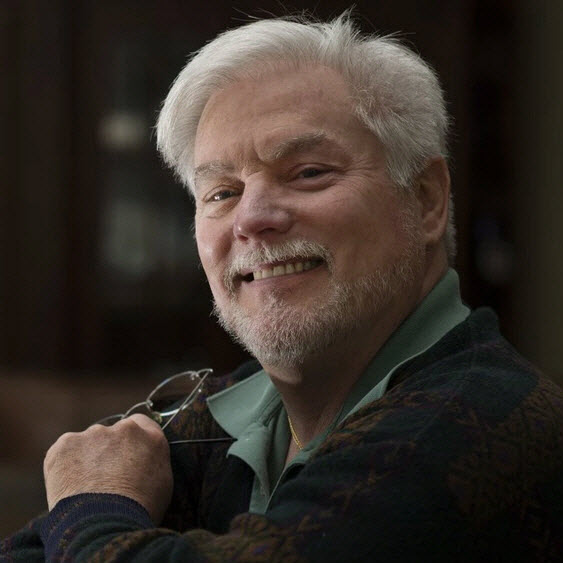
Chris retired from active tech support in 2024 while continuing to write PosiTek.net’s weekly Q&A articles for educational purposes. These articles have over 100k monthly readers from all over the world. He’s completing a memoir that documents the time period from discovery through surgery and recovery from his brain tumor – with tips for anyone undergoing major surgery and facing life-threatening risks; he is writing a speculative science fiction novel that explores how humanity copes with an extra-terrestrial artificial super-intelligence; and he is working with his co-author on an anthology of science fiction short stories and novelettes that explore a possible future history where humanity expands off-Earth at scale.
Chris Gardner LinkedIn
Favorite Song: Heal Us Now, Cantor Rajsky
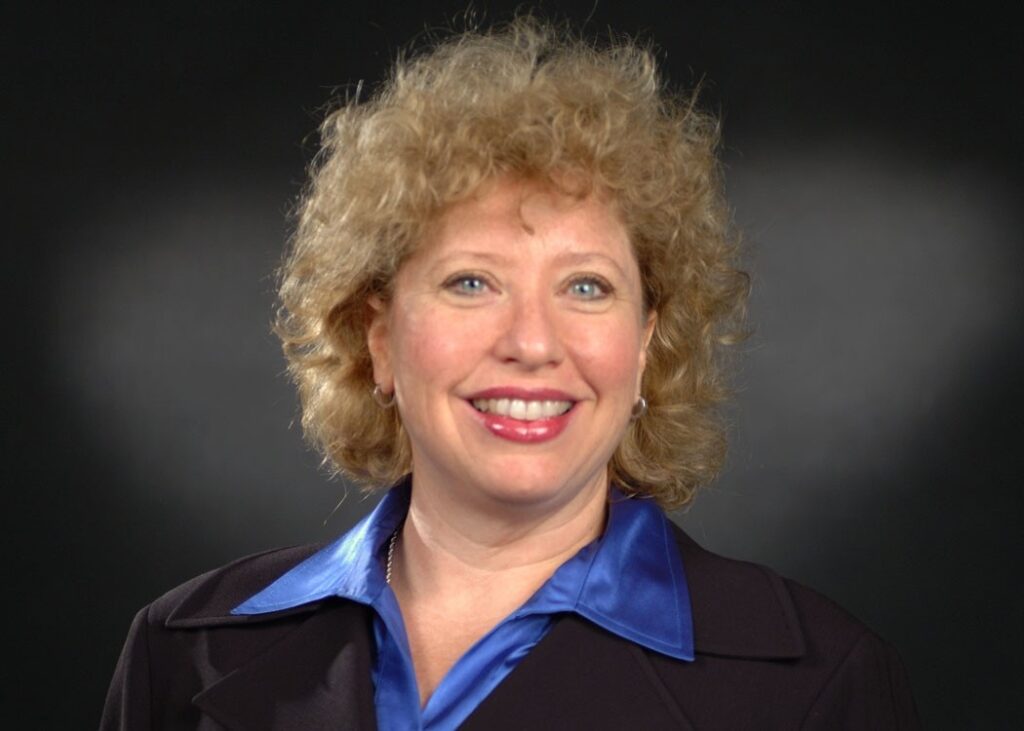
Nicole Gardner is a board director and retired vice president of IBM’s Global Services and recognized by industry as a global innovator who specializes in digital transformation solutions. For the past 30+ years, Nicole has focused on innovation, technology, workforce strategy and culture change that facilitates social impact and resiliency to improve outcomes.
Nicole Gardner LinkedIn
Favorite Song: In My Life, The Beatles
Stay in the KNow!
Get our monthly email featuring expert interviews from the healthcare industry with real insights, no fluff. Get the latest information that help you better understand your healthcare options.
Thank you for subscribing! We're excited to have you here.
You’re all set and will receive our monthly email with expert conversations and insights from leaders in healthcare.